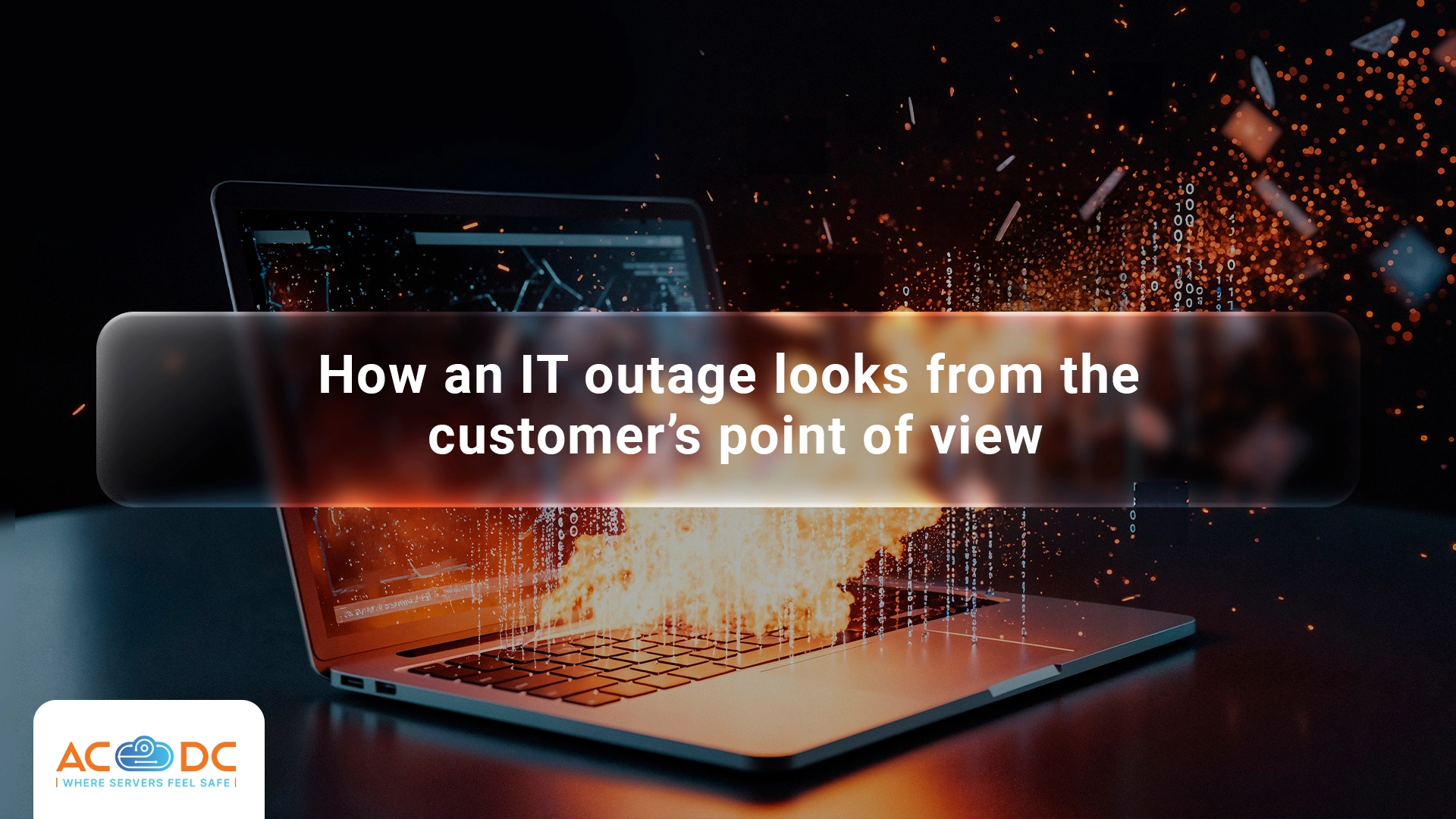






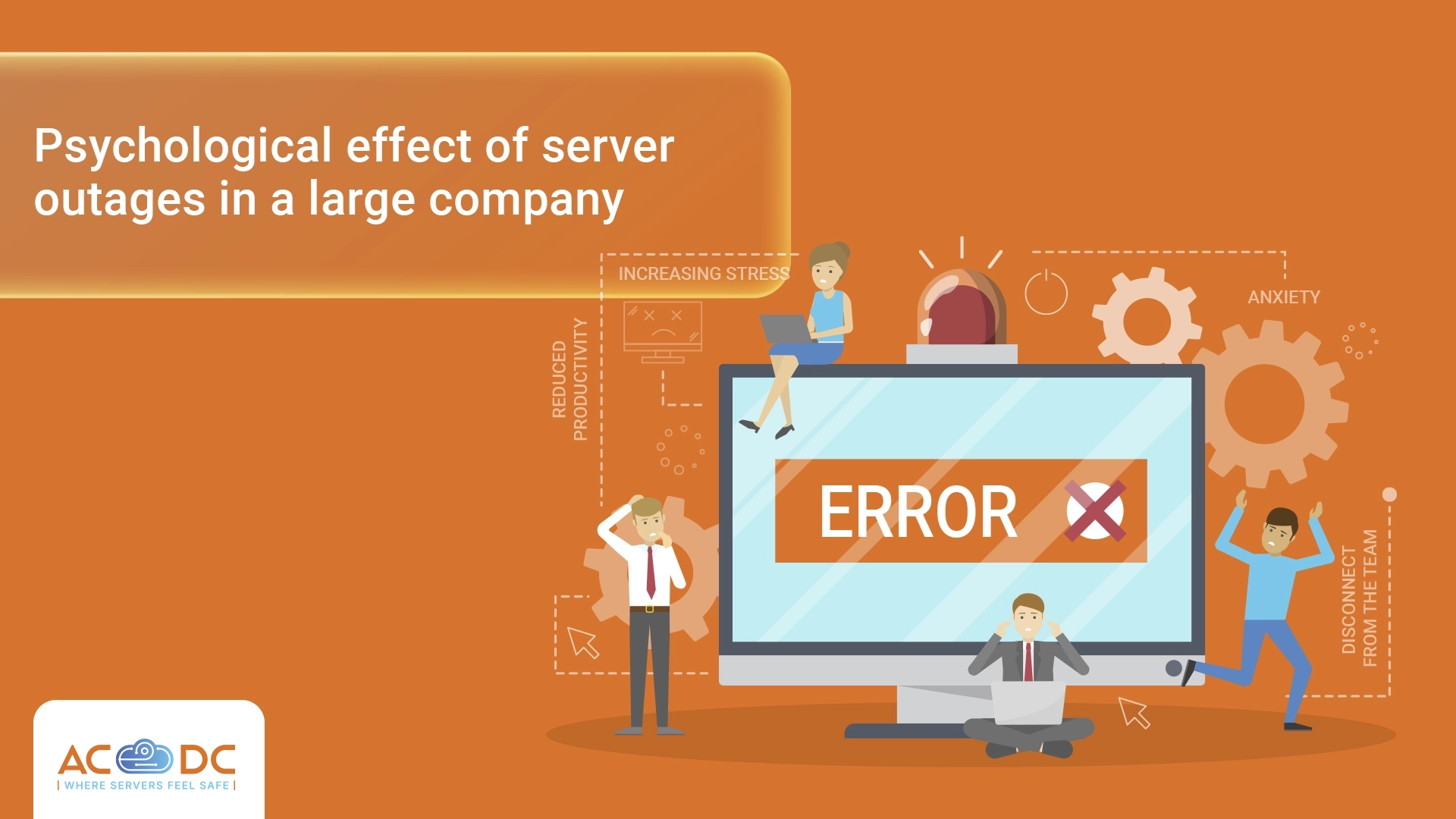
When an IT incident occurs in a company, for teams it is a technical problem that must be diagnosed and fixed as quickly as possible.
For the customer, however, the picture looks completely different. He doesn't see servers, networks, or power. He only sees one thing - the service is down, his business is affected, and the reason for this is none of his business.
At this point, the questions he asks himself are simple and direct:“Why can’t I access the systems, why is no one answering me, and can I even rely on this company?”
It is here that the IT problem begins to take on a financial and image dimension, which can cost businesses huge sums.
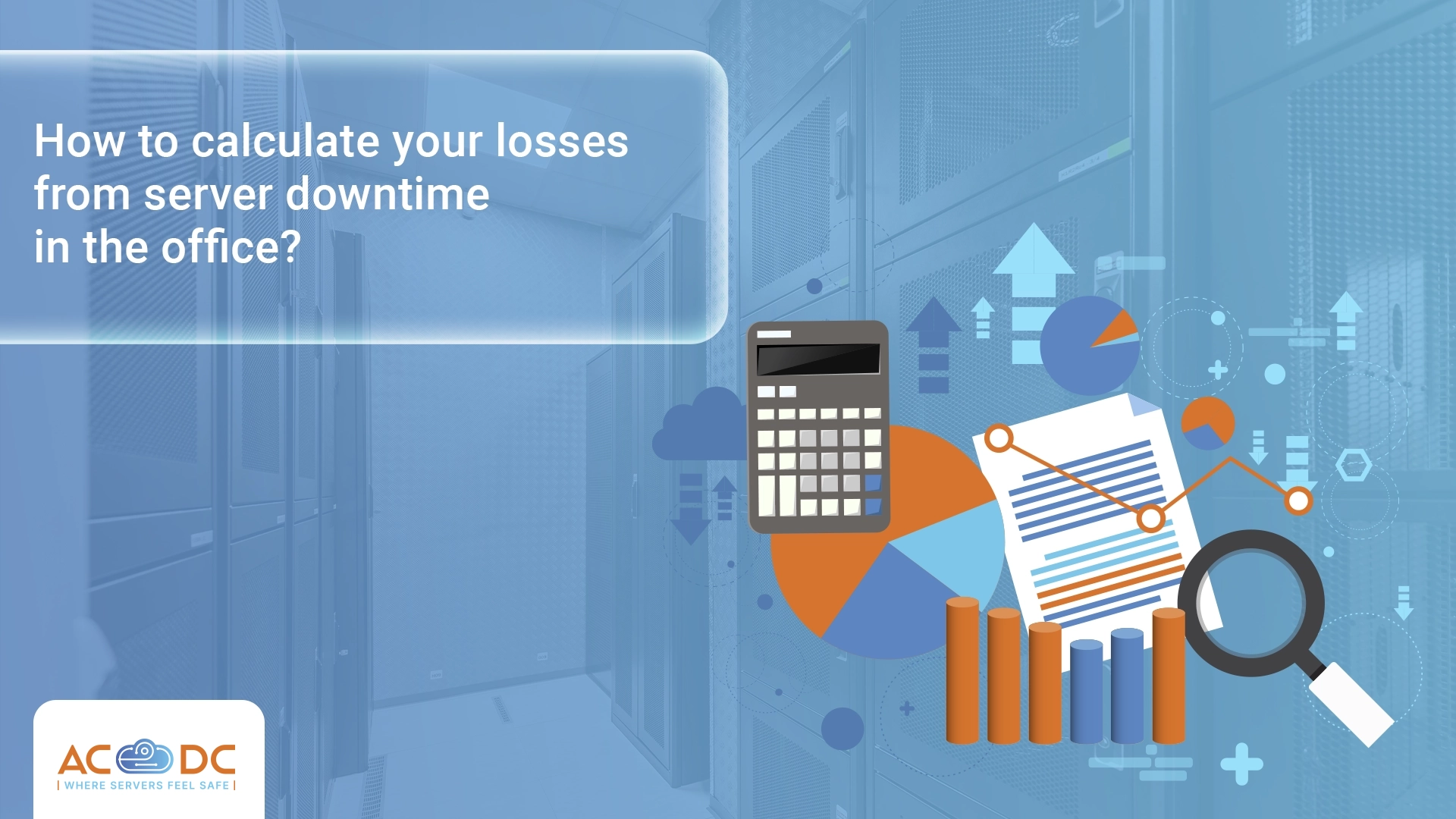
See more on the topic: How to calculate losses from server downtime
What the client doesn't want to know
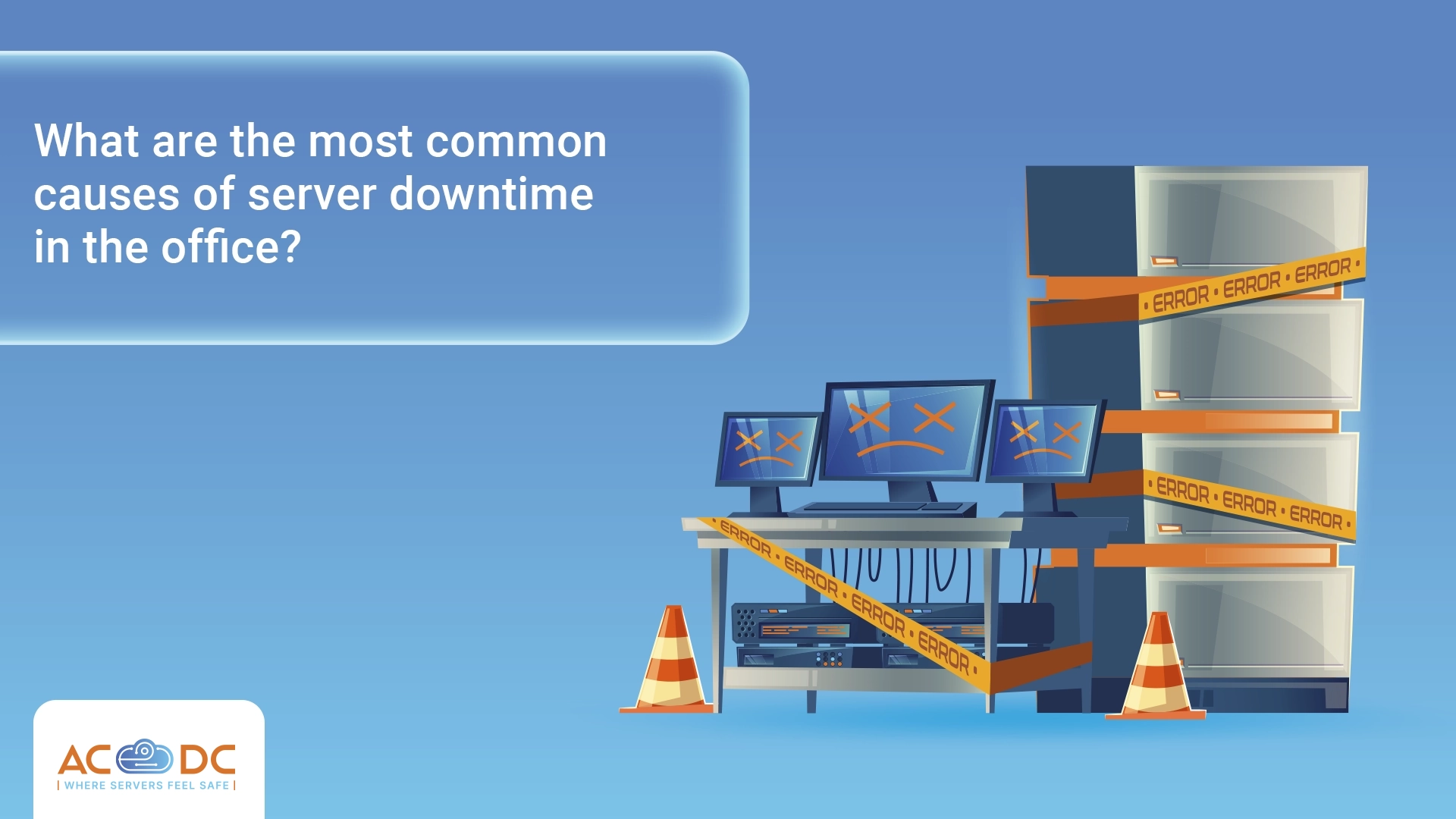
Among the most common reasons for the shutdown of an IT service or system are server outages and office infrastructure failures, power outages or ERP maintenance, human error, or lack of redundancy when the incident cannot be prevented (natural disaster, accident, etc.). However, at critical moments when your client is losing money and time, none of these will sound like a good excuse.
What does he really care about?
Trust is lost much faster than it is gained. Response time and the recovery period of your services and systems are of critical importance and this is the only thing that excites your customers at this moment.
While you are struggling to resolve the issues, they will already be considering alternatives to replace your service. That is why clear processes, control and immediate response at such a time are at the cost of your business and theirs.
Best case scenario: The customer doesn't understand the IT problem at all
In the best case scenario, any problem, failure or IT outage goes unnoticed by the business and the end user. This is entirely achievable if you rely on high-end professional data center in which you have:
- redundant power supply and cooling, thanks to which a failure will not automatically mean a system failure;
- procedures for immediate response to incidents that minimize consequences, damage and losses;
- analysis, planning and preparation, with which no incident, accident or natural disaster is a surprise, but a well-established process for the team.
- possibility of response from an on-site team without the need for your employee to visit the data center
The server in the office is a direct prerequisite for a problem
Many companies rely on an office-based IT infrastructure where the server is located in a locked room,cooledwith a simple air conditioner, and maintenance and service are carried out by the IT department, which is tasked with many other responsibilities.
This all works well until an incident or breakdown occurs and the business realizes that:
- there is no one to react immediately;
- there is no backup scenario for action;
- there is no controlled communication to customers and users;
- There is no clarity or certainty about how long the problem will last.
The latter is usually the reason that customers tolerate the least. A sense of chaos and unpreparedness in the business can destroy years of trust and good collaboration with your customers. Would you take the risk if you were aware of the possible consequences?
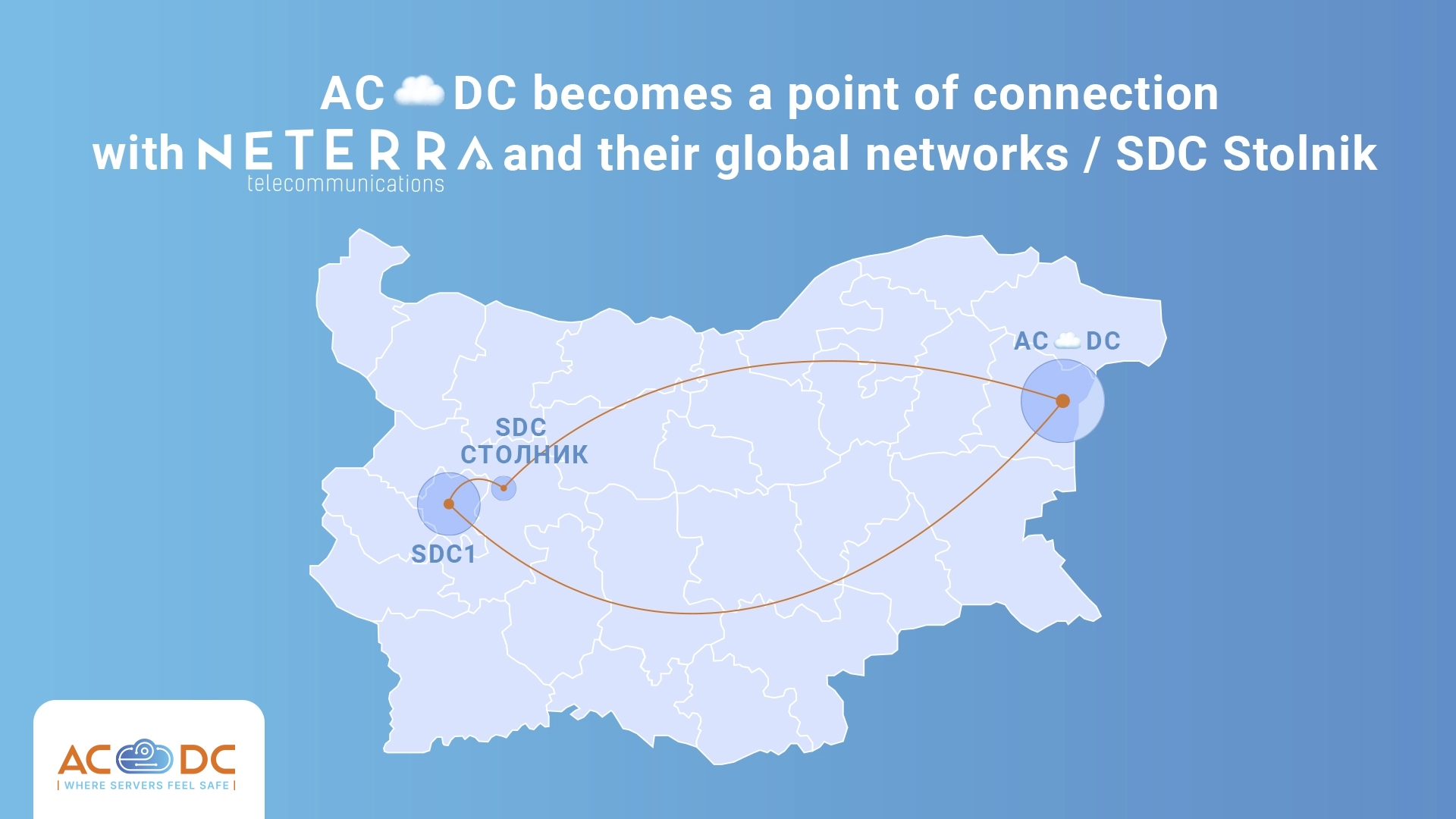
The AbsCloud Data Center team is at your disposal for IT consultation and the opportunity to plan your business's IT infrastructure, which will benefit from sufficient resources and redundancy. Our clients who rely on Colocation in AC☁DC, use the services of a TIER III data center, prepared to respond to any type of incident and disaster, with redundant connectivity, cooling and power supply systems. Companies from Western Bulgaria rely on AC☁DC and as disaster recovery point, sufficiently distant geographically from their main server location.
Свържете се с нас
Интересувате се от колокация на сървъри или други услуги? Свържете се с екипа ни още сега.

 13 October, 2026
 7 October, 2026
 30 September, 2026
 23 September, 2026
 16 September, 2026
 9 September, 2026
 27 August, 2026
 18 August, 2026
 11 August, 2026
 4 August, 2026
 28 July, 2026
 21 July, 2026
 15 July, 2026
 7 July, 2026
 30 June, 2026
 21 June, 2026
 16 June, 2026
 9 June, 2026
 2 June, 2026
 27 May, 2026
 19 May, 2026
 12 May, 2026
 6 May, 2026
 21 April, 2026
 15 April, 2026
 8 April, 2026
 1 April, 2026
 24 March, 2026
 18 March, 2026
 11 March, 2026
 4 March, 2026
 26 February, 2026
 19 February, 2026
 5 February, 2026
 3 February, 2026
 27 January, 2026
 20 January, 2026
 8 January, 2026
 4 January, 2026
 22 December, 2025
 17 December, 2025
 10 December, 2025
 4 December, 2025
 26 November, 2025
 17 November, 2025
 11 November, 2025
 4 November, 2025
 27 October, 2025
 20 October, 2025
 8 October, 2025
 5 October, 2025
 30 September, 2025
 19 September, 2025
 15 September, 2025
 4 September, 2025
 29 August, 2025
 23 August, 2025
 16 August, 2025
 12 August, 2025
 6 August, 2025
 28 July, 2025
 22 July, 2025
 15 July, 2025
 11 July, 2025
 3 July, 2025
 19 June, 2025
 3 June, 2025
 27 May, 2025
 21 May, 2025
 14 May, 2025
 7 May, 2025
 29 April, 2025
 23 April, 2025
 14 April, 2025
 8 April, 2025
 27 March, 2025

 0882 355 203