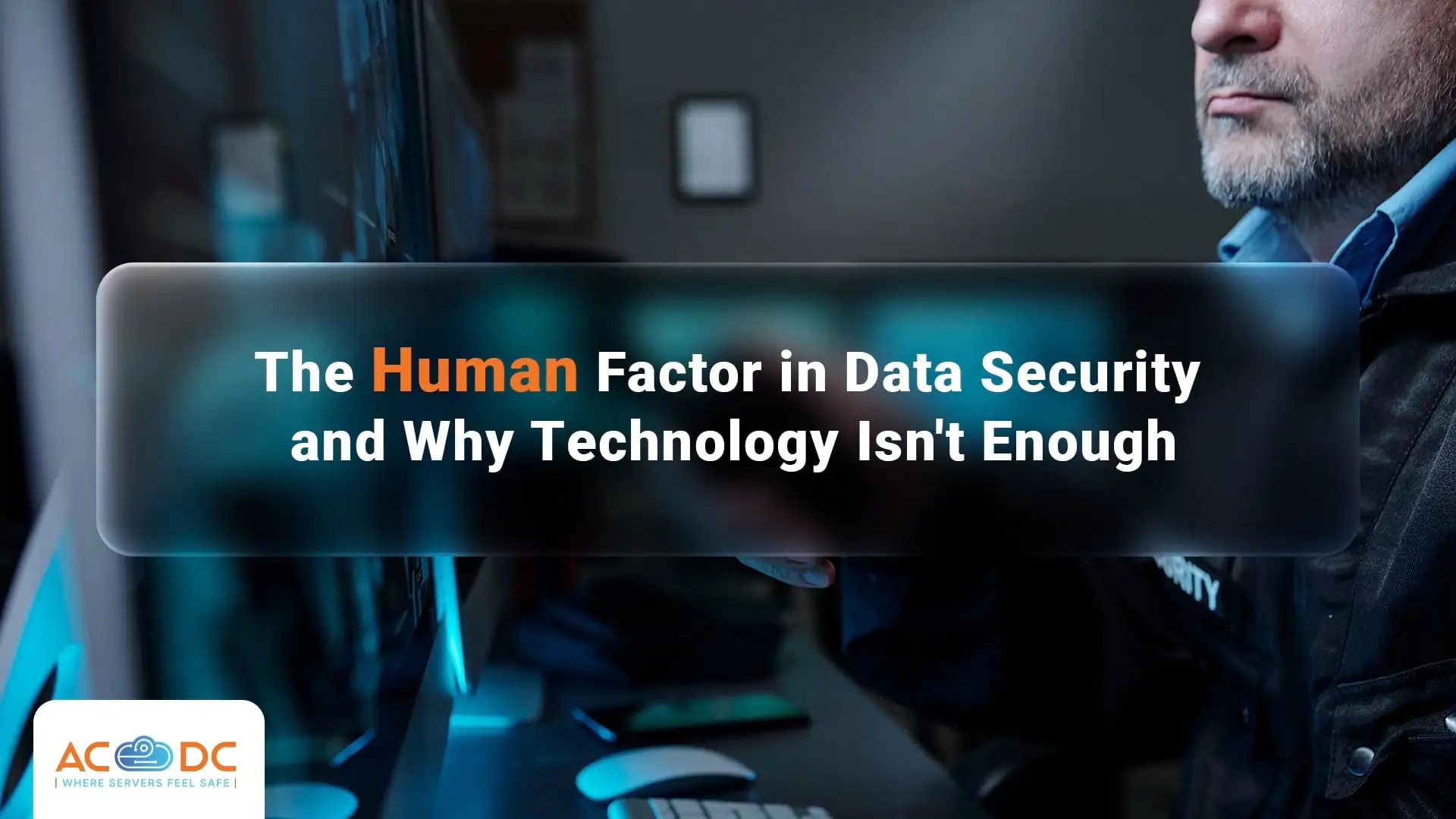






In the world of cybersecurity, we often talk about firewalls, encrypted connections, backups, proactive monitoring. But even the most sophisticated technology can be compromised by a single human error.
According to a global study, 95% of data-loss incidents do not start with a hacker breach but with human error: a misconfigured server, a weak password, open access, a fake email, a procedural oversight.
This is precisely why modern protection is no longer just a technological issue, but also an organizational one.
And here comes the key difference between a company’s attempts to maintain its own internal infrastructure and the standardized, certified approach of a professional data center that follows strict security procedures and policies.
Why the Human Factor Is the Most Risky Link in Security
For every organization, one of the most vulnerable points in terms of security is people. Employees are not IT experts, yet they have access to sensitive systems. At the same time, many companies choose “easy and quick” solutions to save time, skip key procedures, and under heavy workload make compromises with many processes. All this happens alongside the lack of constant control and 24/7 monitoring.
The result — the risk that even a single incorrectly performed system update, wrong network configuration, or accidentally deleted file can halt the operations of an entire business.
Why the Risk Is Minimal in a Data Center
Professional data centers are built around the principle of zero tolerance for such errors and omissions. To achieve this, however, technology must be supported by organizational culture, control, and discipline. For most organizations, maintaining the required highest level of security is extremely difficult, and they often miss one or more of the following:
- Clear procedures and fully documented traceability of interventions on the infrastructure and equipment;
- Strict physical and digital access control, 24/7 surveillance and security, and role-based segmentation for employee authorization. In a typical office environment, IT department members usually have access to all IT processes and systems.
- A team dedicated solely to security and infrastructure — critical systems, networks, security standards, and business continuity. Often in companies, the IT department, in addition to all this, is also responsible for hardware and peripheral maintenance, as well as other non-critical processes.
High-class data centers, for which this is the core business, focus resources on continuous service improvement through simulated emergency scenarios, additional certification and audits for service quality and information security, selection and continuous training of specialized personnel.
How Protected Is Your Business in AbsCloud Data Center (AC☁DC)
There is no technology that can eliminate 100% of the possibility of human error or interference. However, there is digital infrastructure and processes that minimize the consequences, reduce the likelihood, and organize operations in a way that makes errors nearly impossible and with almost zero impact on the business.
That is why modern companies with advanced data-security policies choose professional data centers such as AC☁DC in Varna.
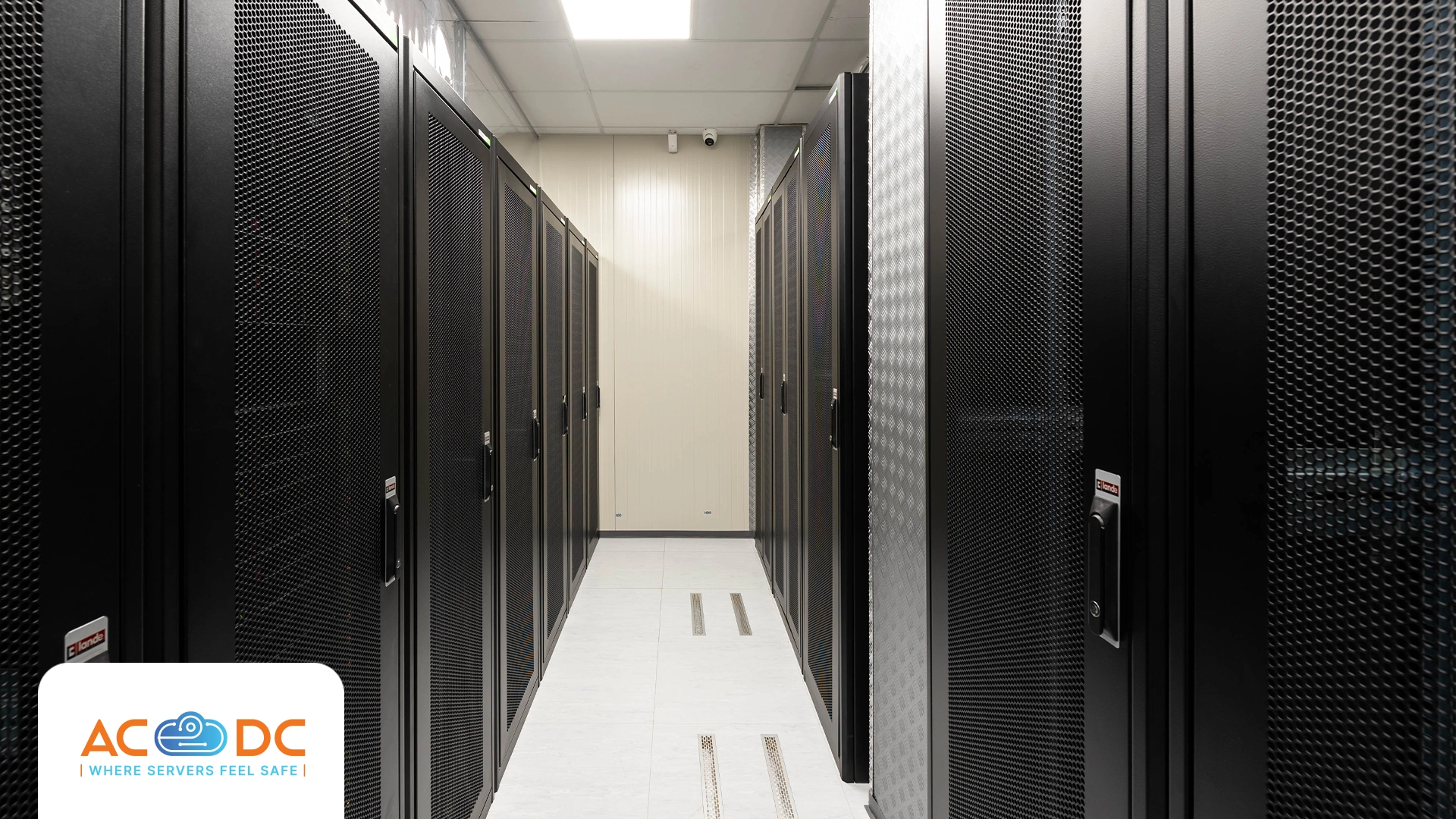
As a TIER III data center, AC☁DC is designed with numerous redundant systems and fault-tolerant configurations to provide the best environment for operating and servicing server equipment while following all best practices for information security. And access to your servers will only be granted to individuals authorized by you.
If you are interested in colocation at AbsCloud Data Center, contact our team for a professional consultation today
Свържете се с нас
Интересувате се от колокация на сървъри или други услуги? Свържете се с екипа ни още сега.

 16 September, 2026
 9 September, 2026
 27 August, 2026
 18 August, 2026
 11 August, 2026
 4 August, 2026
 28 July, 2026
 21 July, 2026
 15 July, 2026
 7 July, 2026
 30 June, 2026
 21 June, 2026
 16 June, 2026
 9 June, 2026
 2 June, 2026
 27 May, 2026
 19 May, 2026
 12 May, 2026
 6 May, 2026
 21 April, 2026
 15 April, 2026
 8 April, 2026
 1 April, 2026
 24 March, 2026
 18 March, 2026
 11 March, 2026
 4 March, 2026
 26 February, 2026
 19 February, 2026
 5 February, 2026
 3 February, 2026
 27 January, 2026
 20 January, 2026
 13 January, 2026
 8 January, 2026
 4 January, 2026
 22 December, 2025
 17 December, 2025
 4 December, 2025
 26 November, 2025
 17 November, 2025
 11 November, 2025
 4 November, 2025
 27 October, 2025
 20 October, 2025
 8 October, 2025
 5 October, 2025
 30 September, 2025
 19 September, 2025
 15 September, 2025
 4 September, 2025
 29 August, 2025
 23 August, 2025
 16 August, 2025
 12 August, 2025
 6 August, 2025
 28 July, 2025
 22 July, 2025
 15 July, 2025
 11 July, 2025
 3 July, 2025
 19 June, 2025
 3 June, 2025
 27 May, 2025
 21 May, 2025
 14 May, 2025
 7 May, 2025
 29 April, 2025
 23 April, 2025
 14 April, 2025
 8 April, 2025
 27 March, 2025

 0882 355 203