





Conversations with a data center services or colocation provider often involve terminology and abbreviations whose meaning isn't always clear to users, even those with IT experience.
In this glossary, the AbsCloud Data Center team presents some of the key concepts explained in understandable language.
Key Terms in Data Center Services:
Availability
The percentage of time that a given system or service is available and functioning. Expressed as a percentage over a set period (month, year, etc.) and is the principal indicator in SLA agreements. The difference between different levels of availability may look small in percentages, but it's huge in actual lost time. For example:
- 99% ~ 87 hours of allowable downtime per year
- 99.9% ~ 8.7 hours of allowable downtime per year
- 99.99% ~ 52 minutes of allowable downtime per year
- 99.999% ~ 5 minutes of allowable downtime per year
For most business systems, 99.9% is the minimum acceptable level. For critical infrastructure (finance, healthcare, e-commerce), the standard is higher.
AS Number (Autonomous System Number)
A unique number from the internet registry that identifies a specific network on the internet. Every internet provider, large corporation, or data center with independent routing has an AS number. It is necessary to establish BGP peering sessions and independently manage IP routes. Having an AS number indicates a large-scale network infrastructure.
BGP (Border Gateway Protocol)
The protocol that manages internet traffic routing. BGP decides the path data takes between different networks — internet providers, corporations, and organizations worldwide. Data centers with BGP connectivity and multiple operators can automatically reroute traffic if one route fails, providing higher reliability of connectivity.
Bare Metal Server
A physical server directly accessible by the client without any virtualization layer. Unlike a virtual machine in the cloud, with bare metal, the client uses the full resources of the physical machine. The advantages are maximum performance and predictable load. Suitable for databases, HPC (High Performance Computing), and resource-intensive applications.
CDN (Content Delivery Network)
A distributed network of servers located at different geographical locations, delivering web content (images, video, scripts) from the server closest to the end user. CDN reduces latency, decreases the load on the main server, and improves resilience during traffic spikes. Data centers connected to IX (Internet Exchange) points are preferred locations and part of CDN networks.
Colocation
A service where the client places their own server equipment in a data center, renting physical space, power, cooling, and connectivity. The equipment, operating systems, and data remain entirely owned by and the responsibility of the client. The data center provides the physical environment and infrastructure. See more about server colocation at AC☁DC.
Cross-connect
A direct physical cable connection between two parties in the same data center: for example, between a client and an internet provider, or between two clients. Cross-connect provides low latency and high reliability since traffic does not leave the physical environment. This is the standard way to connect with carriers and internet exchange points in a neutral data center, such as AC☁DC.
DCIM (Data Center Infrastructure Management)
Software systems for monitoring and managing the physical infrastructure of the data center — power, cooling, space, cabling, and assets. DCIM provides real-time visibility over power consumption, temperature in various zones, and rack capacity. For clients, having a DCIM system at the provider means better transparency and faster response to issues.
Downtime
The period when a system, service, or equipment is unavailable or non-functioning. Downtime can be planned (for maintenance) or unplanned (in case of failure). The financial cost of unplanned downtime varies greatly depending on the industry and business scale, but even for small companies it is rarely negligible.
DDoS (Distributed Denial of Service)
A type of cyberattack in which a large number of devices simultaneously send requests to a system to overload it and make it unavailable. Data centers like AC☁DC, with high network connectivity and specialized traffic filtering solutions, are significantly more resilient to DDoS attacks than standalone infrastructure.
Hot Aisle / Cold Aisle
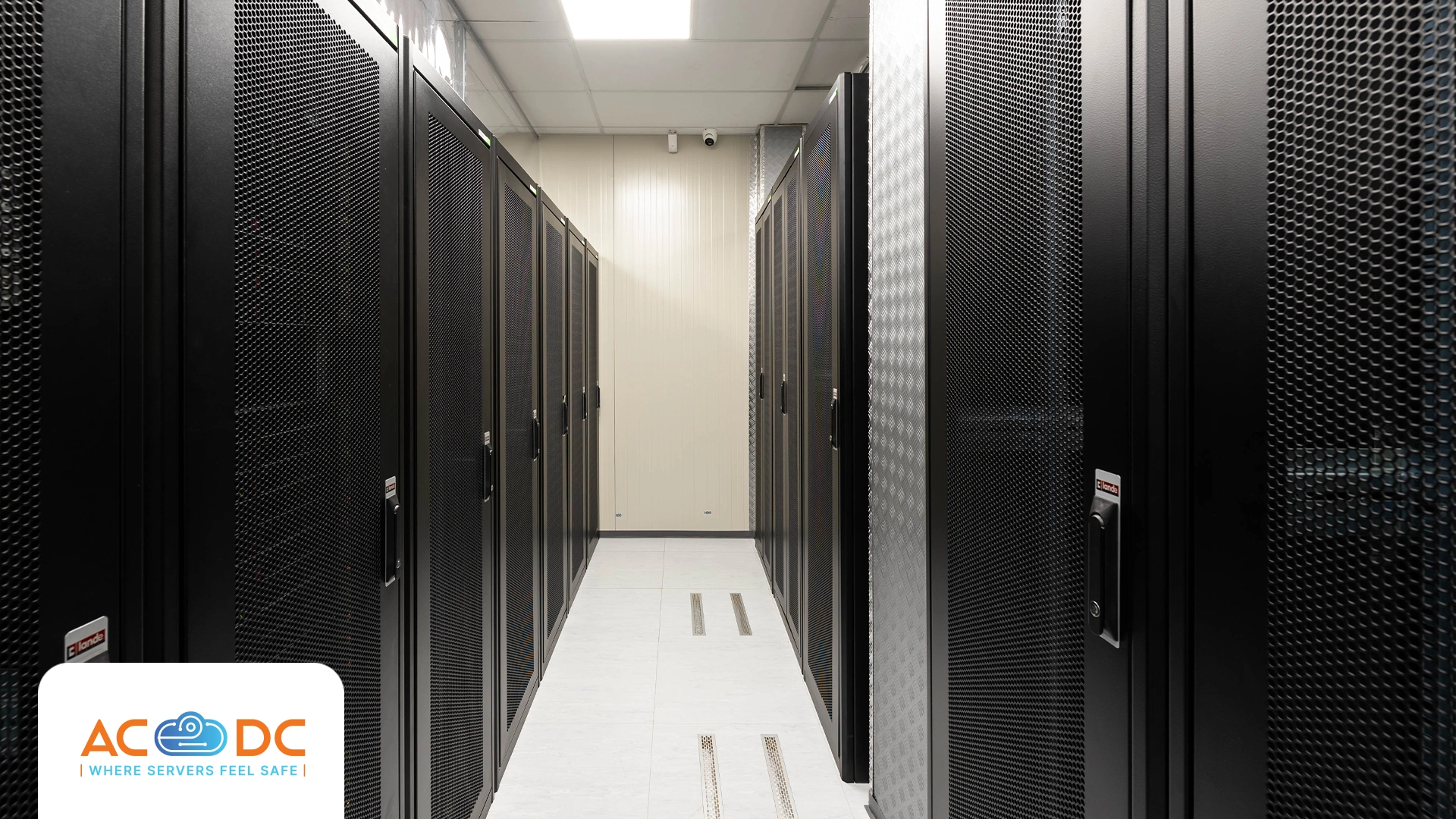
A standard architecture for managing airflow in a server room. Racks are placed so that their fronts (where cold air enters) face the "cold aisle," and their backs (where warm air exhausts) face the "hot aisle." Separating hot and cold air improves cooling efficiency and lowers PUE. Proper airflow management directly affects energy costs and hardware lifespan.
Latency
The time taken for data to travel from point A to point B in the network. Measured in milliseconds. Low latency is critical for real-time applications: video conferencing, financial transactions, online gaming, etc. It depends on physical distance, the number of network hops, and the quality of the network infrastructure.
Neutral Data Center
A data center that is not tied to a specific internet provider or telecom operator. Clients are free to choose among the available carriers or combine several for redundancy. The alternative—a data center tied to one provider—puts clients in a vendor lock-in situation. Read more about what it means for a data center to be neutral.
Peering
An agreement between two networks for direct traffic exchange — usually free or on preferential terms. Peering is done at internet exchange points (IX). The alternative is transit, where traffic passes through a third party for a fee. A well-connected data center with IX presence makes peering agreements easier for its clients.
PoP (Point of Presence)
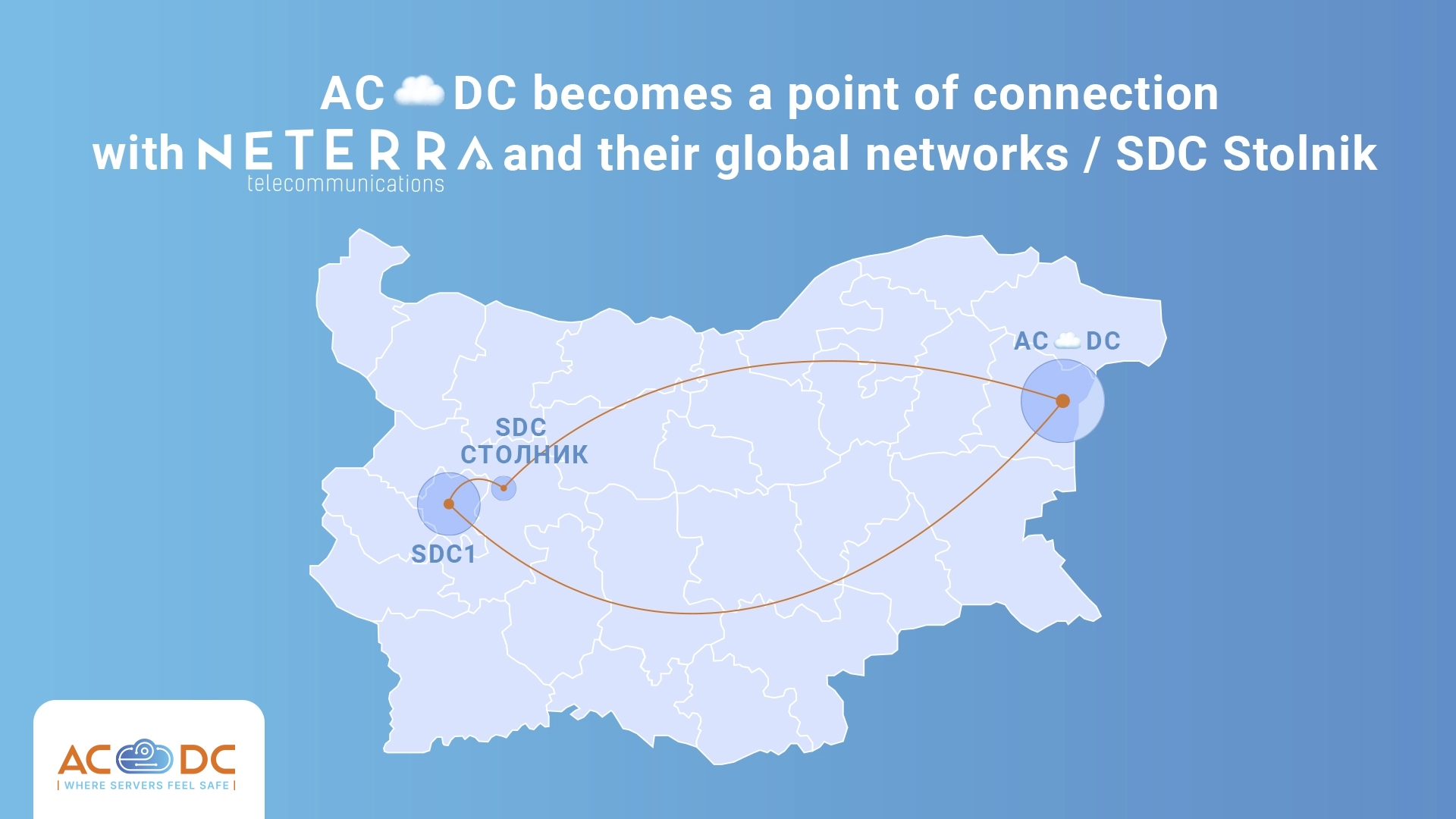
A physical location where a network or service has direct equipment and connectivity. When a data center is a "PoP" for a carrier or IX, clients can connect to that network directly, without additional physical trails. Note that AC☁DC is a point of presence for VarnaIX, Neterra/NetIX, and Bulgartel.
Rack Unit / U
A standard unit of measure for server equipment height. 1U = 4.445 cm. A standard rack is 42U high. Servers, switches, and other equipment are measured in U. For example, a "2U server" takes up two units in the rack. In colocation, clients rent a specific number of U or a whole rack.
Redundancy
Duplicating critical components in the infrastructure so that if one component fails, the system continues operating without interruption. Redundancy can be at the power level (two independent power supplies), cooling (backup cooling units), connectivity (multiple providers), or hardware. The level of redundancy is a key criteria in the TIER classification of data centers.
RPO (Recovery Point Objective)
The maximum acceptable amount of data (time) that can be lost in the event of a disaster. RPO answers the question: "How far back can we go when restoring data, before it's unacceptable to the business?" An RPO of 4 hours means backup copies must be made at least every 4 hours. Defining RPO is a step in building a Disaster Recovery plan.
RTO (Recovery Time Objective)
The maximum acceptable time for restoring systems after a disaster. RTO answers the question: "How long can the business operate without the given system?" An RTO of 2 hours means the system must be restored within 2 hours of the incident. RPO and RTO together define the requirements for a Disaster Recovery solution.
SLA (Service Level Agreement)
A contractual agreement that defines the service level — availability and compensations in case of non-compliance. An SLA is a legally binding document, not just a marketing promise. When choosing a data center, it is important to read the SLA carefully, to see what exactly is included in the guarantee, how it is measured, and what you receive if it is not met.
TIER Classification
International standard by Uptime Institute, classifying data centers into four levels based on their reliability and redundancy:
- Tier 1 – no redundancy, single point of failure. Suitable only for non-critical systems.
- Tier 2 – partially redundant infrastructure.
- Tier 3 – maintenance can be performed without service interruption (N+1 redundancy). Standard for all critical business applications.
- Tier 4 – does not tolerate any interruption. Typically used by financial institutions and critical infrastructure.
Tower Colocation
Colocation of tower servers — equipment that resembles a desktop PC more than a rack server. Many small and medium businesses use this type of equipment. Tower colocation allows you to place it in the data center without having to replace or reconfigure it. See more about Tower colocation at AC☁DC.
UPS (Uninterruptible Power Supply)
A system that provides immediate switch-over to batteries if the main power fails. UPS covers the (usually seconds to minutes) time needed to start diesel generators. In data centers, UPS systems are a mandatory component of the redundant power infrastructure.
Can’t find a term from the data center world you need? Write to us and we’ll add it to the updated version of the glossary.
Свържете се с нас
Интересувате се от колокация на сървъри или други услуги? Свържете се с екипа ни още сега.

 30 September, 2026
 23 September, 2026
 16 September, 2026
 9 September, 2026
 27 August, 2026
 18 August, 2026
 11 August, 2026
 4 August, 2026
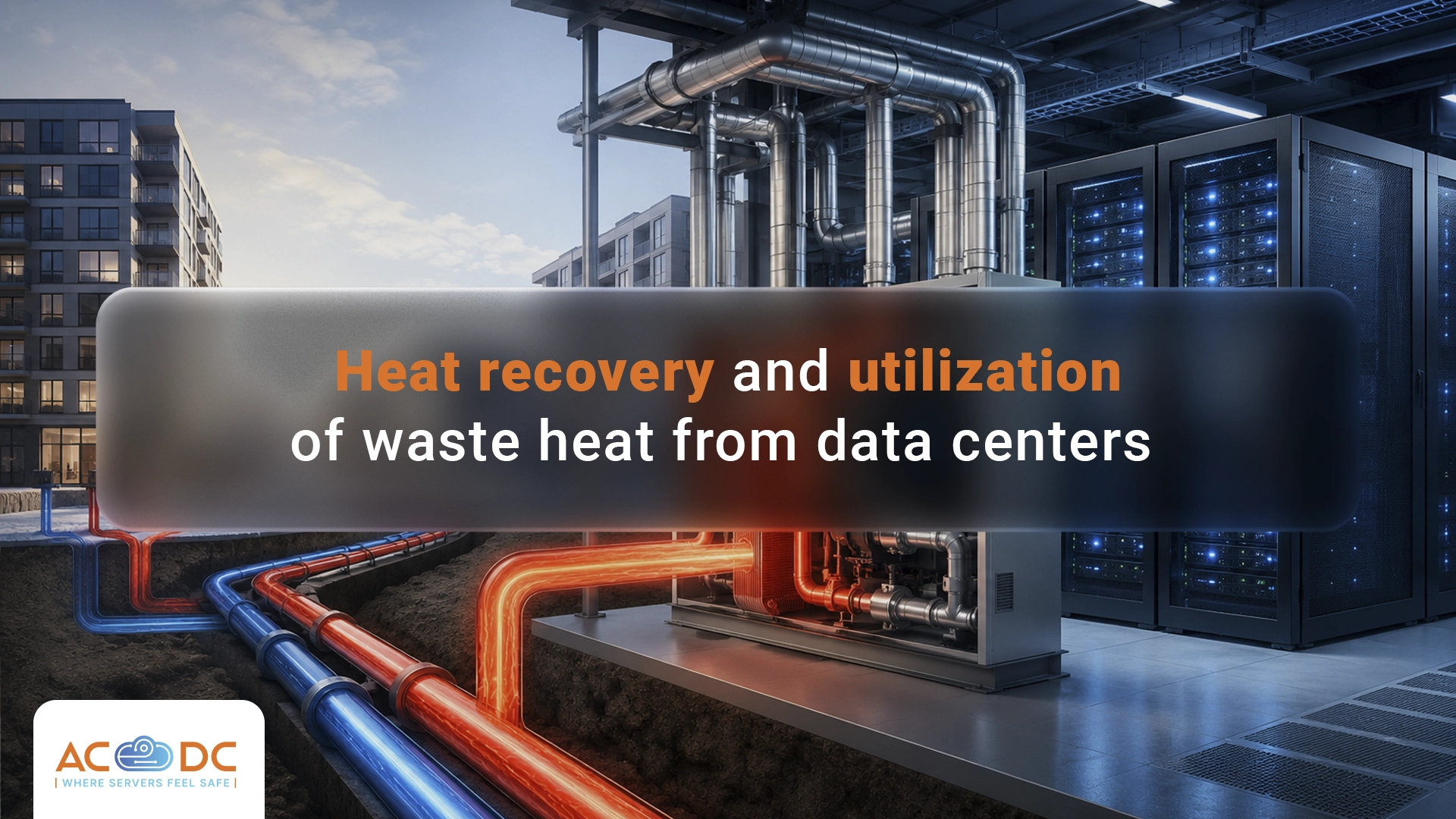 28 July, 2026
 21 July, 2026
 15 July, 2026
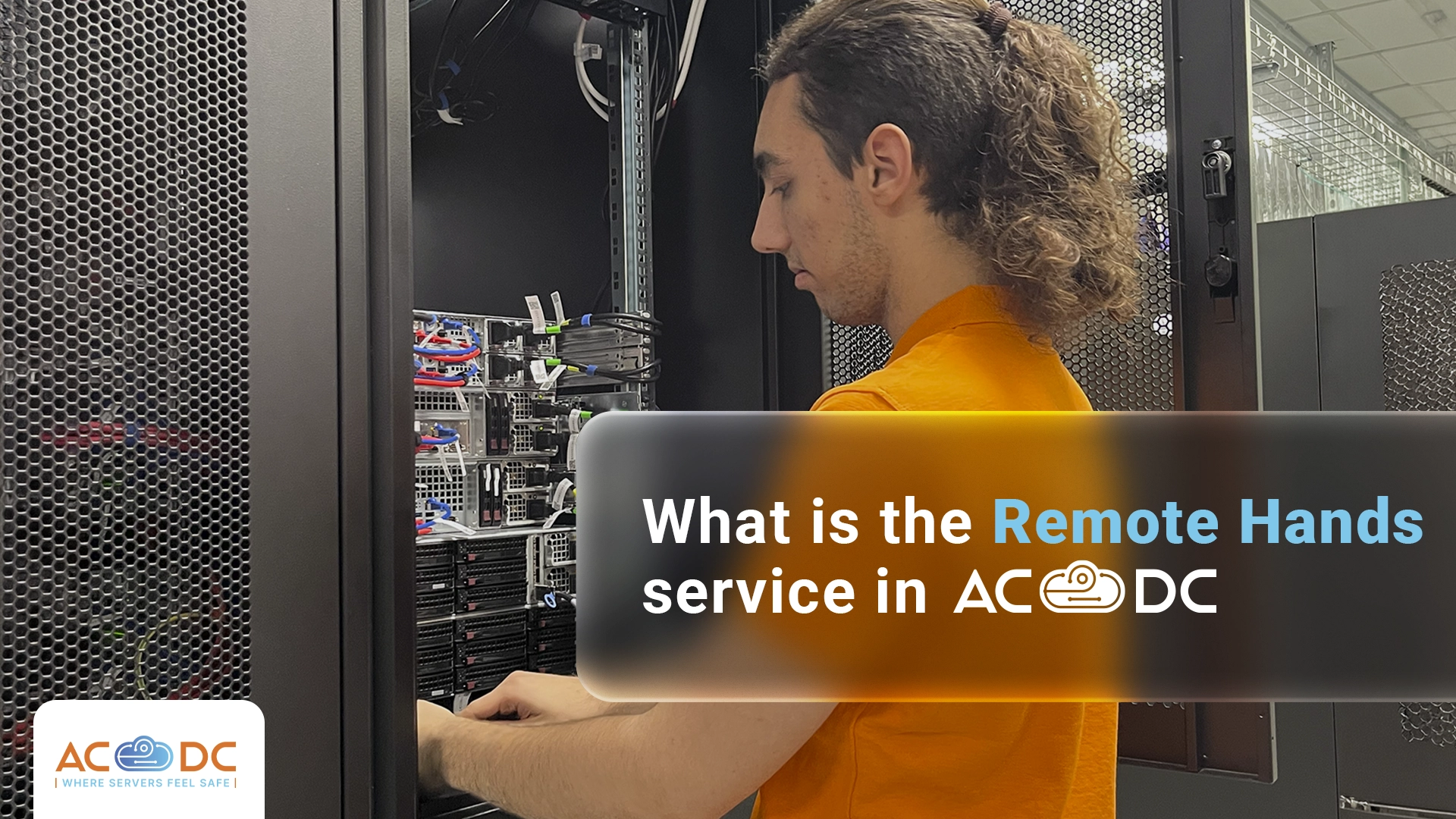 7 July, 2026
 30 June, 2026
 21 June, 2026
 16 June, 2026
 9 June, 2026
 2 June, 2026
 27 May, 2026
 12 May, 2026
 6 May, 2026
 21 April, 2026
 15 April, 2026
 8 April, 2026
 1 April, 2026
 24 March, 2026
 18 March, 2026
 11 March, 2026
 4 March, 2026
 26 February, 2026
 19 February, 2026
 5 February, 2026
 3 February, 2026
 27 January, 2026
 20 January, 2026
 13 January, 2026
 8 January, 2026
 4 January, 2026
 22 December, 2025
 17 December, 2025
 10 December, 2025
 4 December, 2025
 26 November, 2025
 17 November, 2025
 11 November, 2025
 4 November, 2025
 27 October, 2025
 20 October, 2025
 8 October, 2025
 5 October, 2025
 30 September, 2025
 19 September, 2025
 15 September, 2025
 4 September, 2025
 29 August, 2025
 23 August, 2025
 16 August, 2025
 12 August, 2025
 6 August, 2025
 28 July, 2025
 22 July, 2025
 15 July, 2025
 11 July, 2025
 3 July, 2025
 19 June, 2025
 3 June, 2025
 27 May, 2025
 21 May, 2025
 14 May, 2025
 7 May, 2025
 29 April, 2025
 23 April, 2025
 14 April, 2025
 8 April, 2025
 27 March, 2025

 0882 355 203