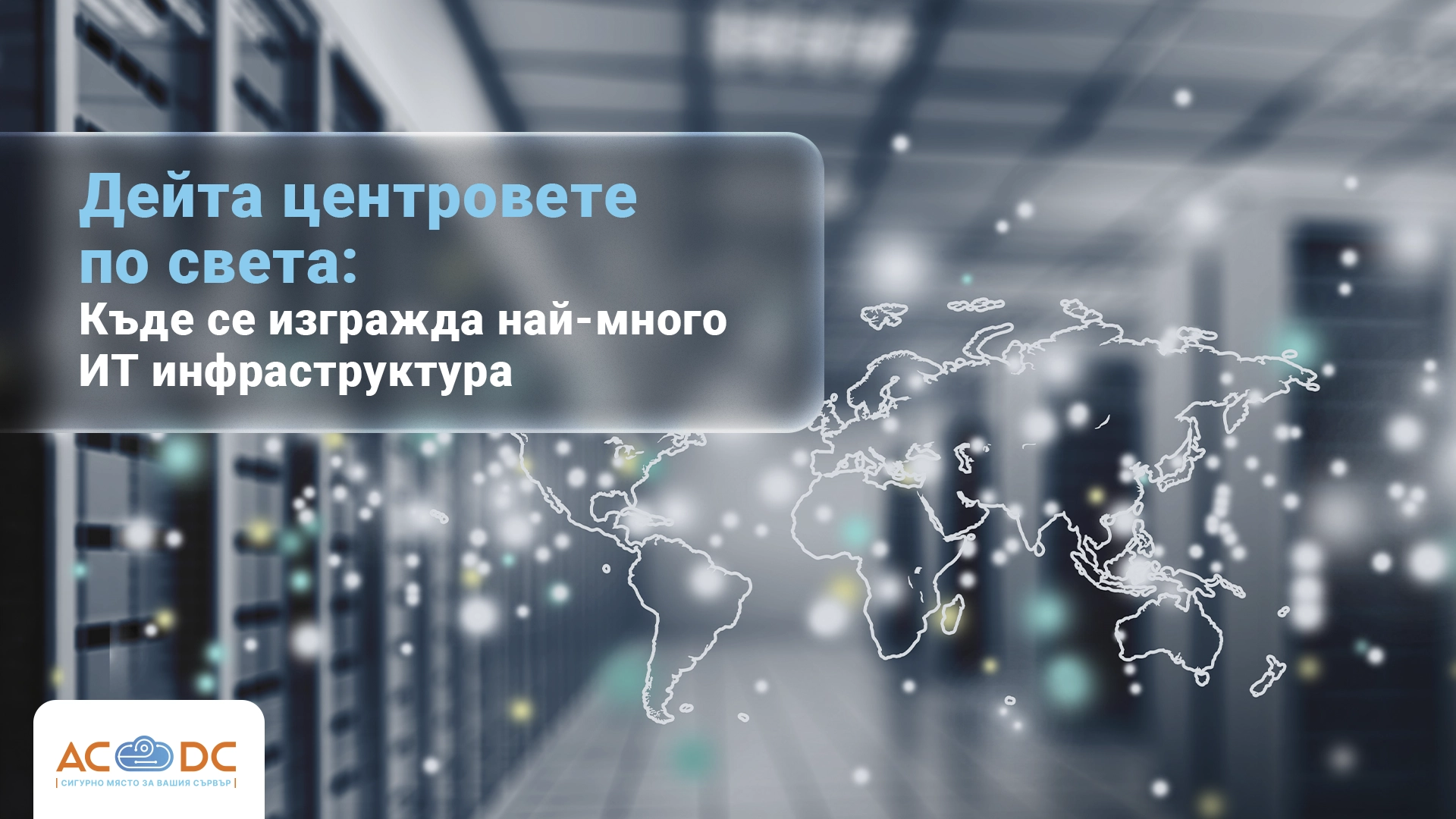






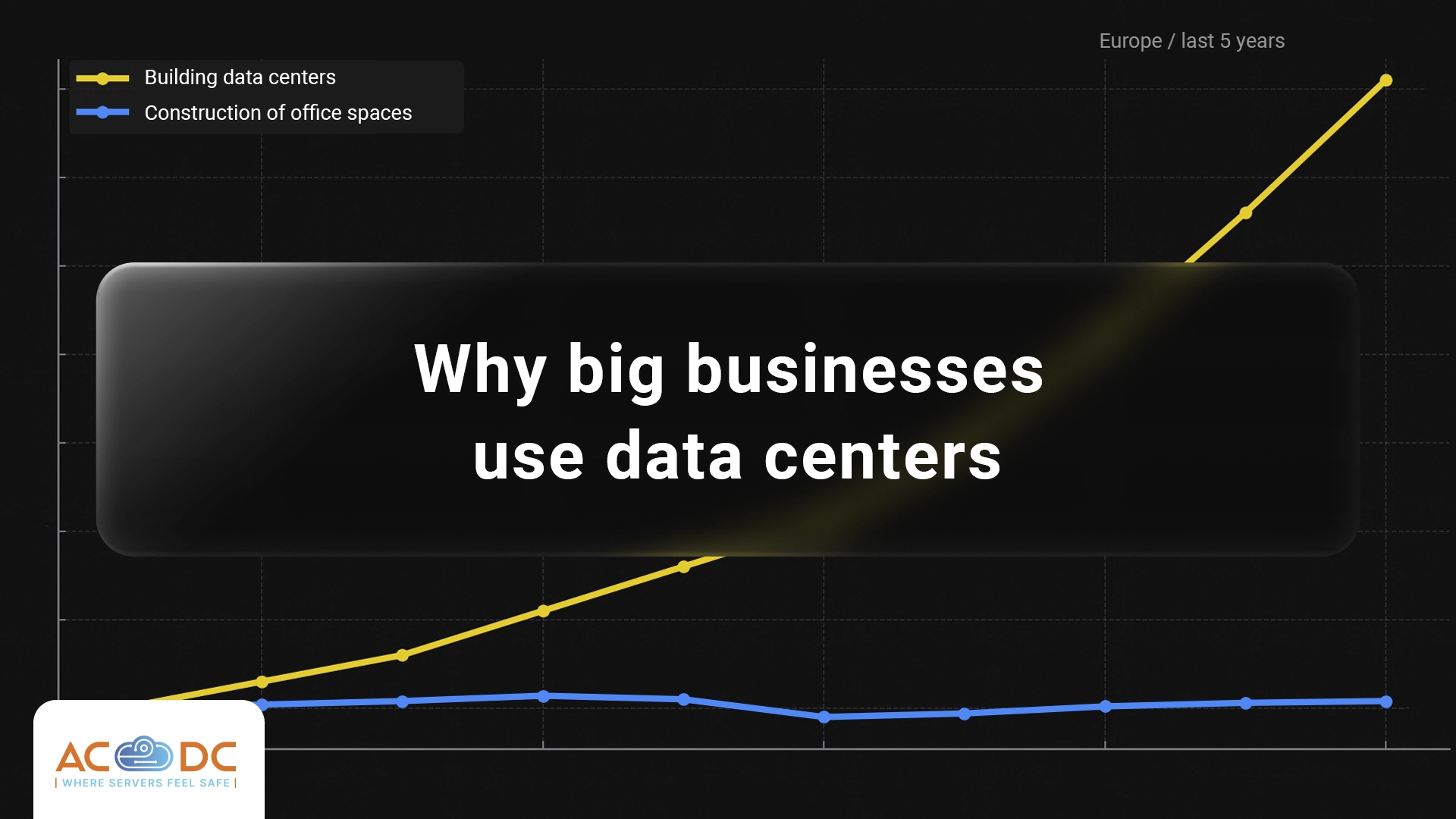
Investments in data centers worldwide have already surpassed trillions of dollars and now outpace combined investments in energy, road infrastructure, and telecommunications. Data centers have attracted more than one fifth of all new foreign investments globally for 2025, which is more than any other sector.
Construction is global and unprecedented in scale: in North America, the project list exceeds $1.29 trillion, and the six largest U.S. tech companies (Microsoft, Amazon, Google, Oracle, Meta, and CoreWeave) have spent nearly $400 billion in 2025 alone.
The appetite for investment doesn’t stop there. In Europe, Brookfield Asset Management is committing €20 billion to data centers and AI infrastructure in France. The UK has approved a £4 billion hyperscale campus near London, and Germany is adding 250 megawatts of new capacity for 2025 alone.
In Asia, South Korea has started building the world’s largest AI data center—a project estimated at up to $35 billion—while India and Singapore are also attracting massive investments from global operators.
In the Middle East, Saudi Arabia is building the HUMAIN initiative, and the UAE is planning a 5-gigawatt AI campus, positioning the region as a strategic response to Western investments.
Here are some of the reasons we’re witnessing this dynamic market movement:
Artificial Intelligence and Infrastructure Demands
AI models require enormous computing power both for training and for delivering real-world results to users. Every use generates a constantly growing demand for even more computing resources.
Because of this, already by next year, consumption will require greater capacity than the training of many of the popular AI models we use daily.
This data matters, because, unlike AI model training, consumption doesn’t occur in just one or a few locations. Users are worldwide and expect lightning-fast responses from platforms regardless of their location. That’s why data centers powering AI models cannot be limited to a few centralized hubs.
Regulatory Pressure for Cybersecurity and Data Protection
GDPR, NIS2, and growing requirements for data sovereignty force companies to carefully consider where their data is physically stored and processed. Banks, insurers, healthcare organizations, and public institutions are under direct regulatory pressure to ensure that sensitive data does not leave specific jurisdictions.
This trend is particularly strong in Europe and is one of the main arguments for choosing a local or regional data center.
Growing Digitization of Business
The past decade has catalyzed processes related to remote work, cloud systems, online sales, and real-time ERP or CRM. All these require reliable, available, and secure infrastructure. Companies that previously relied on an office server now understand this is not a sustainable model.
Learn more: Is your organization digitally mature
The Challenges to Growth
Alongside record investments in building data centers, the industry is also facing a series of challenges:
Power Supply
Regions that traditionally host large data centers are currently experiencing power shortages. Adding capacity to the grid sometimes takes years, and local authorities in many areas are already restricting new infrastructure construction precisely due to stress on the power grid.
Resources for Building Data Centers
Between 2020 and 2025, the average cost of building a data center has jumped by almost 40%. Equipment has long lead times, and there is a huge shortage of qualified teams to work on this kind of infrastructure. That’s why even the hyperscaler projects have their limits.
Geographic Concentration Means Vulnerability
When a huge share of critical IT infrastructure is concentrated in a few locations, business risk increases, with potential causes for widespread outages not just technical but also geopolitical and regulatory. That’s why even the largest players are actively seeking high-class regional data centers and well-distributed points of presence in various locations.
Regional Data Centers Are an Increasingly Serious Factor
Handling large volumes of data in real time requires low latency and physical proximity to the end user. That’s why many companies are gradually moving to co-location of their server equipment at data centers close to their users.
This allows them to continue relying on a dedicated or leased server instead of a cloud service, maintaining full control and management in line with security and data protection regulations and standards.
How the Data Center Services Market in Bulgaria Is Developing
Bulgaria lags behind Western European markets in terms of digitalization, but the gap is closing quickly. The growing presence of outsourcing companies, fintech startups, manufacturing enterprises with ERP systems, and public institutions with compliance requirements means the need for reliable, modern IT infrastructure is no longer in question.
The traditional problem for companies outside Sofia has been the limited choice: either maintain servers on-site (with all the risk and costs) or rely on data centers in the capital or abroad—with higher latency, logistical difficulties, and extra expenses.
AC☁DC: A Regional Data Center for Northeastern Bulgaria
AbsCloud Data Center is designed and built with the understanding that businesses in Northeastern Bulgaria need the same high level of IT infrastructure near their offices as companies in the western part of the country.
The data center is certified under ISO/IEC 27001:2022 (information security), ISO/IEC 20000-1:2018 (IT service management), and ISO 9001:2015 (quality management)—standards that guarantee the way we work. AC☁DC is a neutral data center, meaning clients can freely choose their Internet providers and operators without being tied to a single solution.
Connectivity is another key advantage. AC☁DC is a point of presence for Varna Internet Exchange (VarnaIX), Neterra and NetIX, and Bulgartel—operators with independent routes throughout Bulgaria. This provides our clients with access to reliable and redundant connectivity at competitive prices.
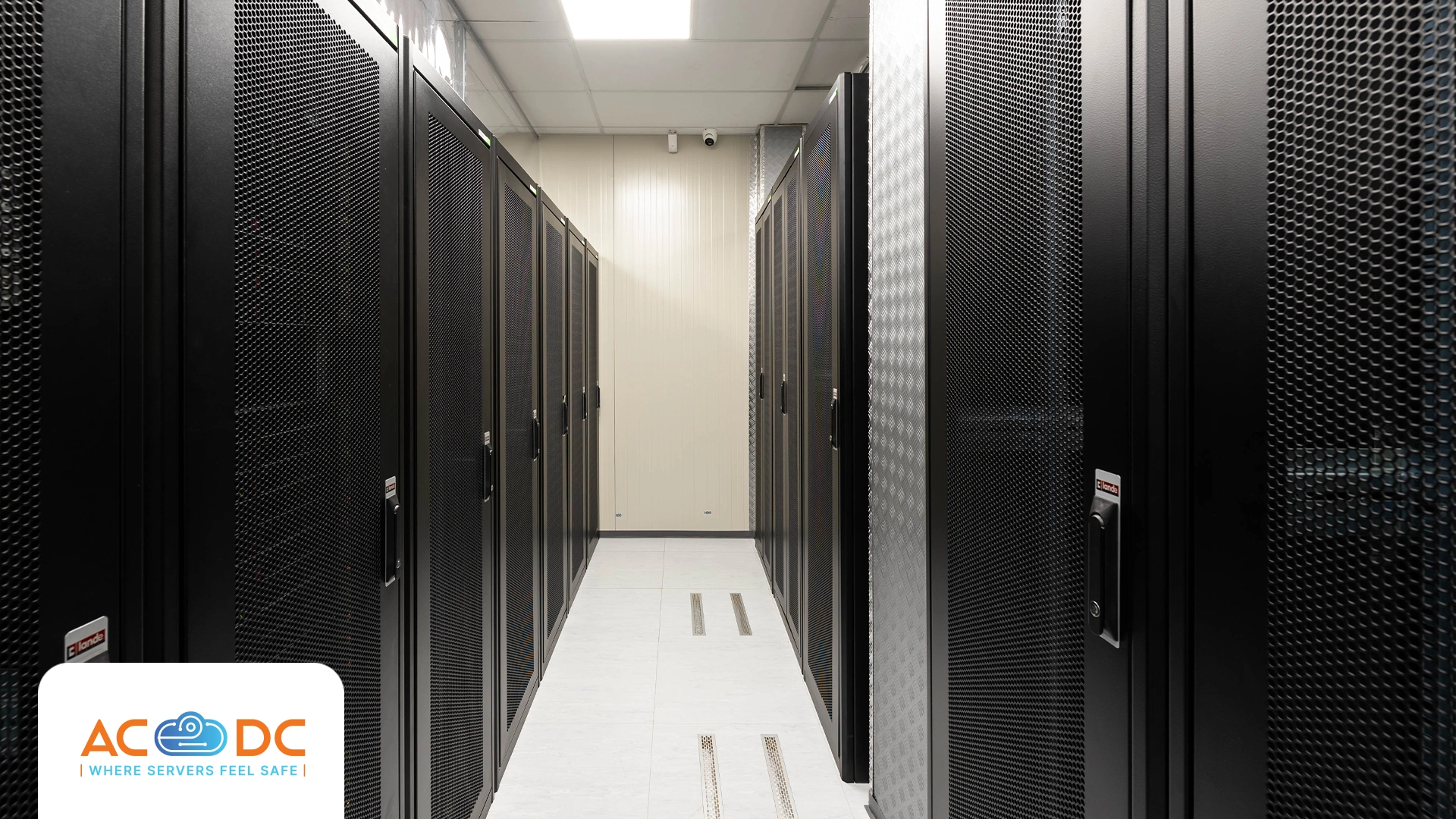
Our infrastructure includes independent power supplies, redundant UPS and diesel generators, fail-safe climate control, and 24/7 physical security. Server co-location is available in different formats:
- shared rack for smaller projects,
- dedicated rack or cage for larger projects,
- tower colocation for specific equipment.
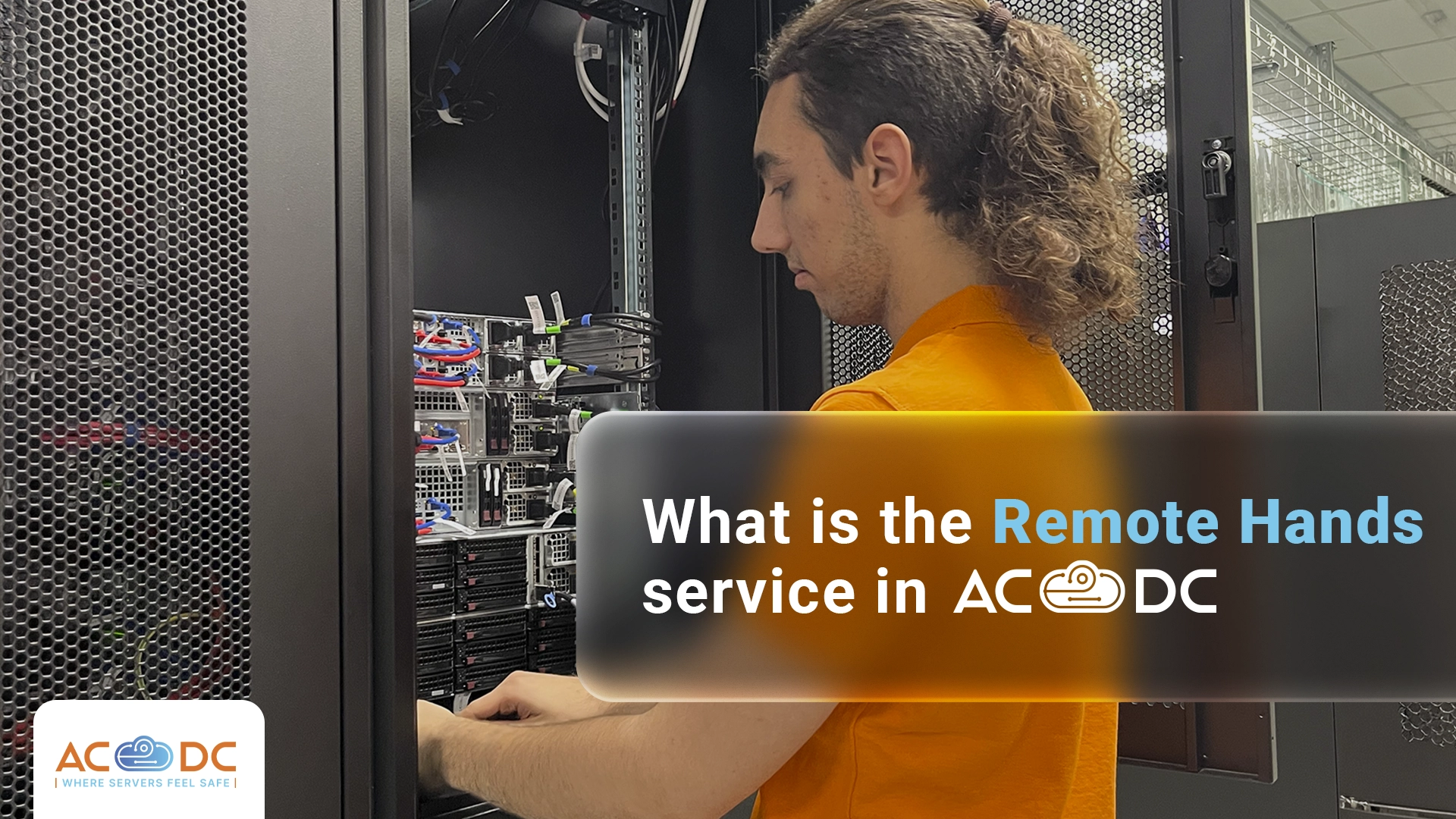
The Remote Hands & Eyes service allows clients to delegate on-site physical tasks without the need to travel to the data center.
And last but not least, AC☁DC is a green data center, designed with a focus on energy efficiency—a factor that is increasingly important for both clients’ ESG policies and the long-term sustainability of operating costs.
Want to find out what the right server solution looks like for your company? Contact the team at AC☁DC or schedule a visit to the data center, where we will answer all your questions on-site.
Свържете се с нас
Интересувате се от колокация на сървъри или други услуги? Свържете се с екипа ни още сега.

 30 September, 2026
 23 September, 2026
 16 September, 2026
 9 September, 2026
 27 August, 2026
 18 August, 2026
 11 August, 2026
 4 August, 2026
 28 July, 2026
 21 July, 2026
 15 July, 2026
 7 July, 2026
 30 June, 2026
 21 June, 2026
 16 June, 2026
 9 June, 2026
 2 June, 2026
 27 May, 2026
 19 May, 2026
 12 May, 2026
 6 May, 2026
 21 April, 2026
 15 April, 2026
 1 April, 2026
 24 March, 2026
 18 March, 2026
 11 March, 2026
 4 March, 2026
 26 February, 2026
 19 February, 2026
 5 February, 2026
 3 February, 2026
 27 January, 2026
 20 January, 2026
 13 January, 2026
 8 January, 2026
 4 January, 2026
 22 December, 2025
 17 December, 2025
 10 December, 2025
 4 December, 2025
 26 November, 2025
 17 November, 2025
 11 November, 2025
 4 November, 2025
 27 October, 2025
 20 October, 2025
 8 October, 2025
 5 October, 2025
 30 September, 2025
 19 September, 2025
 15 September, 2025
 4 September, 2025
 29 August, 2025
 23 August, 2025
 16 August, 2025
 12 August, 2025
 6 August, 2025
 28 July, 2025
 22 July, 2025
 15 July, 2025
 11 July, 2025
 3 July, 2025
 19 June, 2025
 3 June, 2025
 27 May, 2025
 21 May, 2025
 14 May, 2025
 7 May, 2025
 29 April, 2025
 23 April, 2025
 14 April, 2025
 8 April, 2025
 27 March, 2025

 0882 355 203