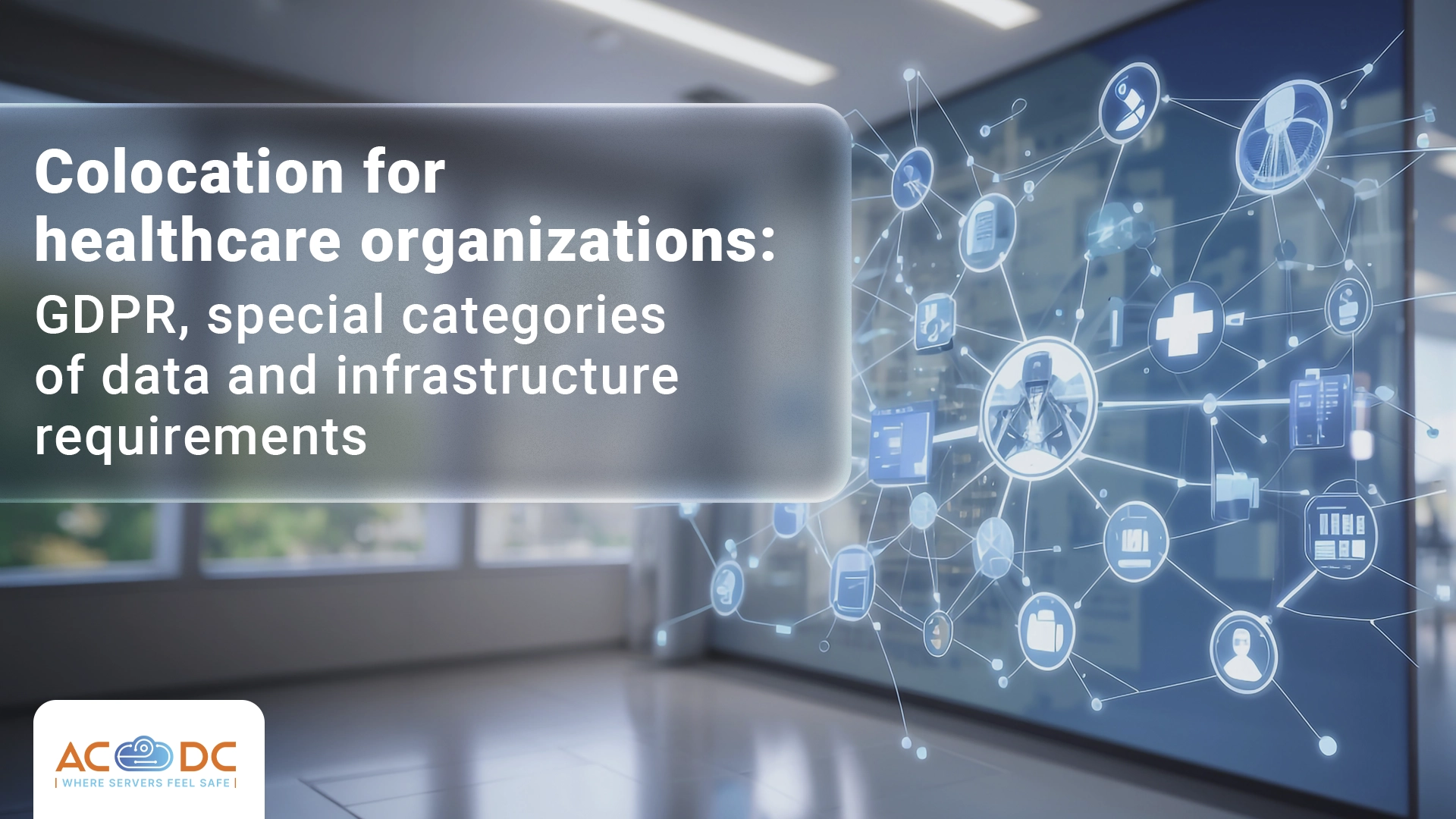






Health data is among the most sensitive categories of personal information in European legislation. When a hospital, medical center, laboratory, or health platform makes a decision about its IT infrastructure, it is not only making a technical choice, but also a regulatory and legal one with direct consequences for patients, staff, and the organization as a whole.
In this article, the AbsCloud Data Center team examines the specific requirements that a healthcare organization's infrastructure must meet, and how colocation in a certified data center addresses most of them.
Health Data under GDPR
The GDPR distinguishes between regular personal data and “special categories” — information whose improper processing brings higher risk to the rights and freedoms of natural persons.
Health data explicitly falls within this category, together with genetic data, biometric data, data regarding racial and ethnic origin, political and religious beliefs.
For special categories of data, GDPR requires an explicit legal basis for processing (usually the data subject’s explicit consent, or necessity for medical examinations and treatment). Strict technical and organizational protection measures and a documented Data Protection Impact Assessment (DPIA) are required. In the case of a data breach, notification of the supervisory authority within 72 hours is mandatory, and in certain cases — also of the affected data subjects.
Fines for violations affecting special categories of data can reach up to €20 million or 4% of the global annual turnover (whichever is higher). But the financial penalty is rarely the worst consequence. Loss of patient trust and reputational damages are much harder to measure and remedy for the healthcare organization.
The Physical Location of Data Matters
One of the basic principles of GDPR is that the data of European citizens must be stored and processed within the EU/EEA or in third countries with an adequate level of protection. For healthcare organizations in Bulgaria, this means that storing patient data on servers outside the EU (even with a reputable cloud provider) requires additional legal guarantees and documentation.
Colocation in a certified data center within the territory of Bulgaria and the EU removes such ambiguities. The data physically remains in the jurisdiction of the EU, under Bulgarian and European laws, with clear responsibility for the physical protection of the infrastructure.
Additionally, with colocation, the server hardware remains the organization's property. Patient data is not stored on a third party’s shared infrastructure. Access is under the healthcare organization’s full control and does not depend on the policies of a cloud provider whose terms may change.
Infrastructure Requirements Specific to the Healthcare Sector
Healthcare organizations have requirements for their IT infrastructure that in many cases exceed regular business standards. They must be able to demonstrate reliance on:
- High availability with no exceptions. Information systems, picture archiving and communication systems (PACS), laboratory information systems (LIS), and electronic health records are critical. Disruption of access to them may delay diagnosis or treatment. The uptime requirement is not a matter of comfort, but of safety.
- Redundancy of power supply. Healthcare systems cannot tolerate power outages. A data center with two independent power feeds, UPS systems, and diesel generators provides the redundancy that an on-site IT room in a hospital can rarely achieve.
- Auditable physical security. GDPR requires organizations to prove who accessed systems with personal data and when. In a data center, every access to server space is registered, timestamped, and traceable. This helps organizations meet traceability requirements.
- Encryption and network isolation. Patient data must be encrypted both at rest and in transit. The data center provides the network infrastructure (physical traffic isolation, VLAN segmentation, physical cross-connects), without intervening in data encryption or network security configuration, which remain the responsibility of the healthcare organization or their IT provider.
- Disaster Recovery and Business Continuity. Regulations in the healthcare sector (including the requirements of the HIS and the NHIF guidelines for e-health) require the presence of a business continuity plan. The Disaster Recovery point in the data center is a concrete and documented element of such a plan: a backup of critical systems at a physically separate location, with clearly defined RPO and RTO values.
The Role of the Data Center for GDPR Compliance
When a healthcare organization deploys its own servers in a data center and only it has access to them, it acts as both the data controller and processor. This eliminates the need to sign a Data Processing Agreement (DPA) with a third party. Data center staff simply have no access or possibility to reach the data, even if they want to.
By contrast, using cloud services from a provider requires signing a DPA.
What Should a Healthcare Organization Check When Choosing a Data Center?
In addition to the standard questions regarding TIER classification, SLA, and connectivity, healthcare organizations should specifically check:
- Are procedures in case of security incidents documented? The data center must have a documented incident response and customer notification procedure, as required by ISO/IEC 27001. When the data center holds such a certificate, it has proven that its information security management processes meet an international standard. Read more about AC☁DC certifications.
- Is the infrastructure physically isolated? With colocation, the equipment is physically separated. It belongs to the healthcare organization and is in a locked rack with controlled access. This is a better position than shared cloud infrastructure from the perspective of the physical isolation of data.
- References from other clients - it is always useful to check whether other customers with a similar organizational profile use the data center and what their opinion is of the service. For you, this would mean choosing a reliable supplier with experience that can be valuable. Typically, the data center itself can provide this information, as long as clients have consented to be mentioned. In any case, we recommend at least asking about it.
What are the Benefits of Relying on a Regional Data Center?
For a healthcare organization in Eastern Bulgaria, the choice between an on-site server room, a data center in Sofia, and a local high-class data center is technical, operational, and regulatory.
An on-site server room rarely provides the level of physical security, redundancy, and documentation that GDPR demands for special categories of data. A data center in Sofia adds distance, logistical complications, and higher latency to hospital systems.
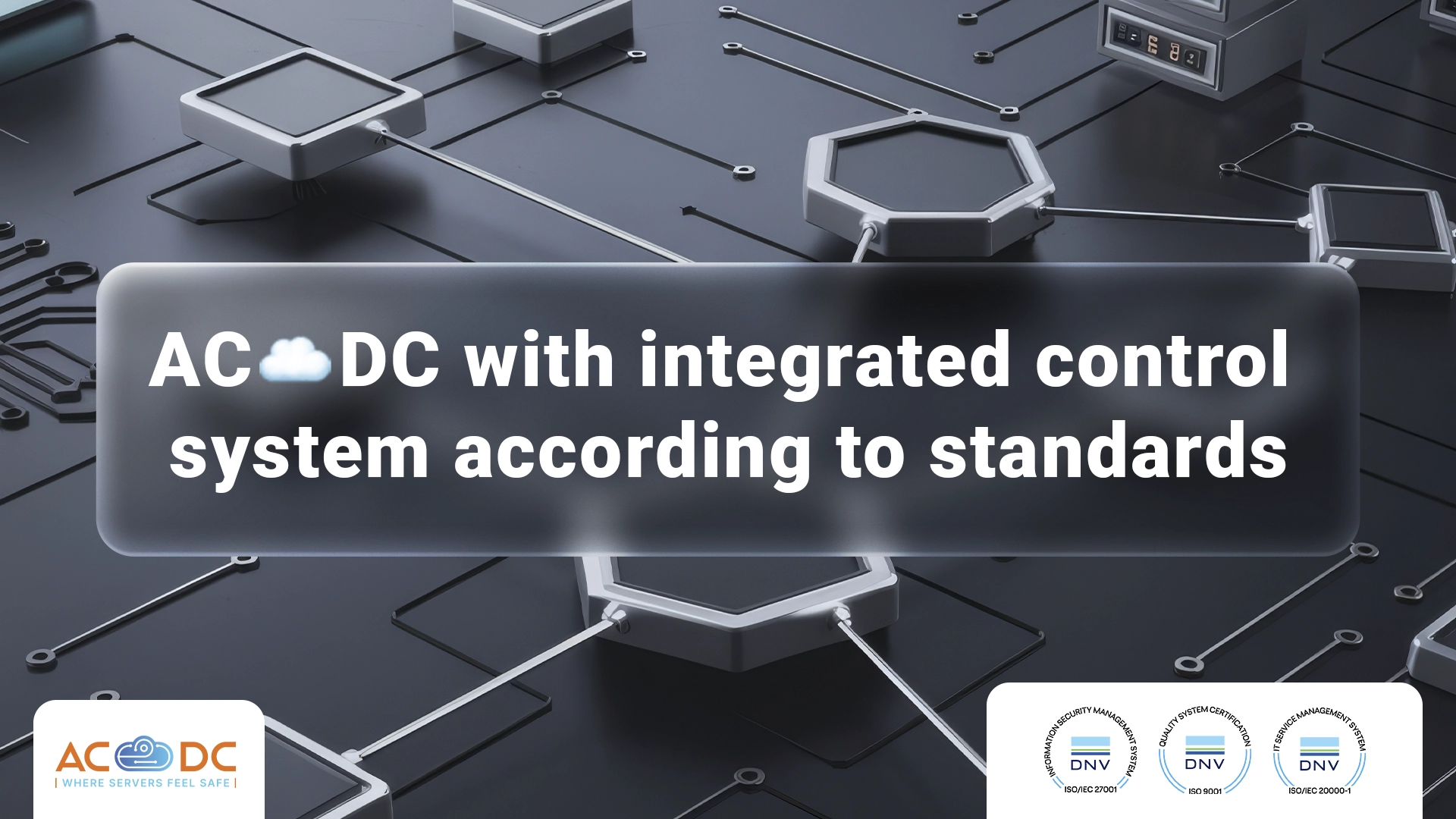
AC☁DC is certified to ISO/IEC 27001:2022, ISO/IEC 20000-1:2018, and ISO 9001:2015, features redundant power and cooling, 24/7 physical security with audited access, and direct connectivity to multiple operators. These features cover a significant portion of the technical and organizational requirements that a healthcare organization must meet under GDPR.
If you manage the IT infrastructure in a healthcare organization and want to discuss specific requirements and solutions, contact the AC☁DC team or book a data center visit to see for yourself how we care for our clients’ server equipment and what kind of data safety standards we apply.
Свържете се с нас
Интересувате се от колокация на сървъри или други услуги? Свържете се с екипа ни още сега.

 13 October, 2026
 7 October, 2026
 30 September, 2026
 23 September, 2026
 16 September, 2026
 9 September, 2026
 27 August, 2026
 18 August, 2026
 11 August, 2026
 4 August, 2026
 28 July, 2026
 21 July, 2026
 15 July, 2026
 7 July, 2026
 30 June, 2026
 21 June, 2026
 16 June, 2026
 9 June, 2026
 27 May, 2026
 19 May, 2026
 12 May, 2026
 6 May, 2026
 21 April, 2026
 15 April, 2026
 8 April, 2026
 1 April, 2026
 24 March, 2026
 18 March, 2026
 11 March, 2026
 4 March, 2026
 26 February, 2026
 19 February, 2026
 5 February, 2026
 3 February, 2026
 27 January, 2026
 20 January, 2026
 13 January, 2026
 8 January, 2026
 4 January, 2026
 22 December, 2025
 17 December, 2025
 10 December, 2025
 4 December, 2025
 26 November, 2025
 17 November, 2025
 11 November, 2025
 4 November, 2025
 27 October, 2025
 20 October, 2025
 8 October, 2025
 5 October, 2025
 30 September, 2025
 19 September, 2025
 15 September, 2025
 4 September, 2025
 29 August, 2025
 23 August, 2025
 16 August, 2025
 12 August, 2025
 6 August, 2025
 28 July, 2025
 22 July, 2025
 15 July, 2025
 11 July, 2025
 3 July, 2025
 19 June, 2025
 3 June, 2025
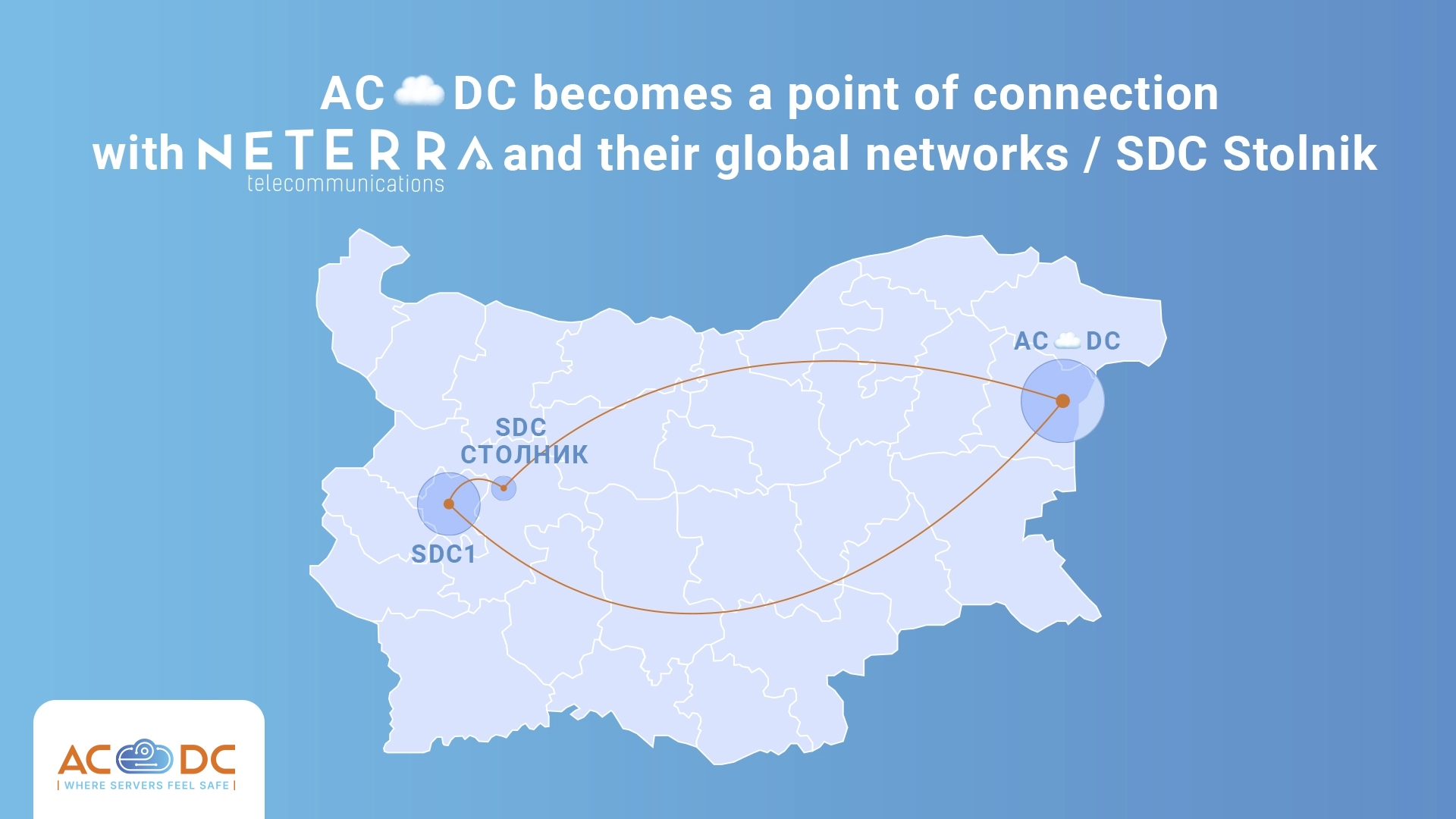 27 May, 2025
 21 May, 2025
 14 May, 2025
 7 May, 2025
 29 April, 2025
 23 April, 2025
 14 April, 2025
 8 April, 2025
 27 March, 2025

 0882 355 203