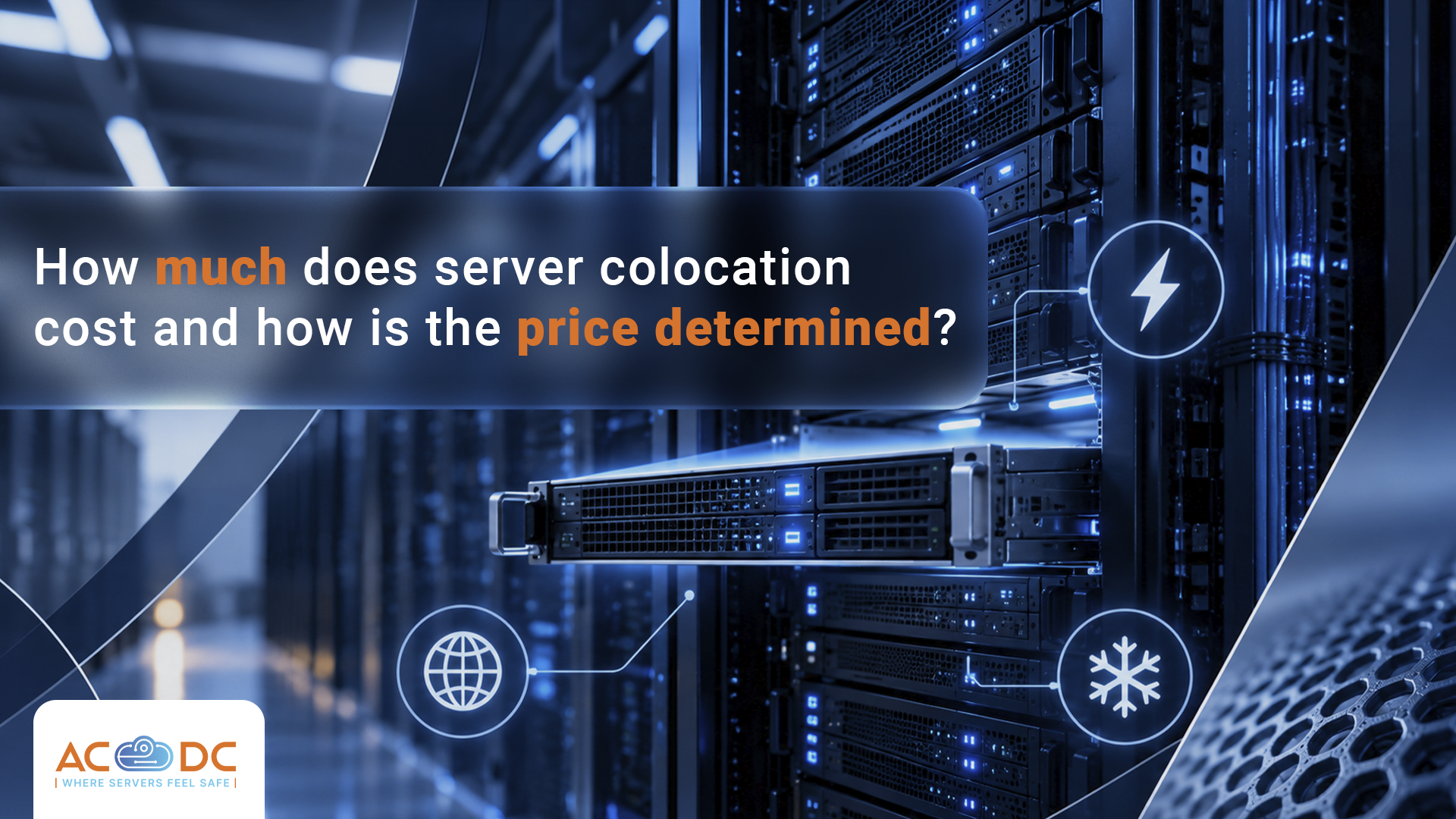






The question of the price of server colocation is one of the most common questions that clients address to data centers. But it’s also among the hardest to answer, as the price depends on multiple factors, each with different significance depending on your actual equipment and your business needs.
In this article, we explain how the real monthly fee is formed, help you analyze and compare offers, and discover hidden clauses set by your provider.
Main factors influencing colocation pricing
A colocation offer typically contains several separate pricing components. Understanding each one is key for objective comparison between providers.
Space (U or rack)
Space is an obvious pricing component, measured in rack units (U)—a standard unit with a height of 44.45 mm. The client can also rent a full rack (typically 42U).
For a shared rack, you rent a specific number of U, and the price may vary depending on included services, data center location, and other factors. Shared racks are suitable for small equipment (1-3 servers) and are an economical option for smaller businesses.
If you rely on a full rack, you can be sure that access is restricted for other clients of the data center. This option is suitable for companies with more equipment or those requiring physical isolation. The monthly fee for a full rack is higher in absolute value, but often lower per U compared to the shared rack option.
Important note: The price for space usually does not include power, which is billed separately to the client.
See also: What is a rack cabinet and how to choose the right size for your server?
Power
Power is the second, no less important, pricing component. Billing is based on power capacity in kilowatts (kW), not on consumed electricity. Most data centers offer the following two models:
- Fixed power – you negotiate a fixed limit for your rack, which you pay for regardless of actual consumption. This model provides predictable costs.
- Metered consumption – you pay for the actual electricity consumed. This model may be more cost-effective with fluctuating loads, but offers less predictability in costs.
Before requesting a colocation quote, make a rough calculation of your equipment’s power consumption to accurately analyze the proposal.
Connectivity
Network connectivity is included differently in provider offers and often requires clarification and attention to detail.
Some providers include a certain traffic volume in the basic fee, and anything above the limit is billed extra. Another approach is to negotiate network port speed and provide unlimited traffic within that speed.
In a neutral data center, you have the option to contract directly with an Internet provider of your choice, and connectivity costs are not included in the colocation fee—but should be considered in the total cost.
Just a reminder—AC☁DC is a neutral data center, where clients freely choose among various available Internet providers. The competition between providers keeps prices down and quality up—something missing in data centers married to a single operator.
Additional services
The offer may also include additional services that can affect the price or value of the offer:
- Remote Hands & Eyes: physical tasks carried out by the data center team according to your instructions. It can be priced by the hour or billed separately upon request.
- Cross-connect fee: for direct links between your rack and a carrier or another client in the data center, there may be a one-time installation fee and a recurring monthly maintenance fee.
- Access fee: Some providers charge a fee for physical access to the rack outside of business hours. Make sure to check in advance about such conditions.
- Installation/setup fee: A one-time charge when starting the service.
- IP addresses: If you need public IP addresses from the data center, these are charged additionally.
How to objectively compare colocation offers
It’s hard to compare several offers based solely on the final price, as the lowest sum isn’t always the best value. Here are the tips from the AC☁DC data center team:
- Compare based on Total Cost of Ownership: Add up rent for space, power, connectivity, Remote Hands if needed, and one-time fees distributed across the contract term.
- Check what's included in the power price and whether the agreed capacity covers your equipment. Find out what happens if you need more power and what it would cost.
- Ask about any potential extra fees: for access out of business hours, extra Remote Hands hours, or additional charges for exceeding allocated resources.
- Compare contract conditions: minimum period, early termination conditions, scalability procedure, etc. Ensure they do not put you in a vendor lock-in situation.
- Check the level of redundancy. Tier 1 and Tier 3 data centers have fundamentally different infrastructures, which may not be reflected in the contract price, but will be significant for stability and security in emergencies or routine events, such as power outages, accidents, natural disasters, etc.
Additional factors affecting the final price
Beyond the structure of the offer, the final price for your business depends on several additional factors:
- Amount of equipment: Renting more racks or U usually brings a better unit price.
- Contract term: A longer commitment usually equals a lower monthly price. Consider if cost predictability justifies reduced flexibility.
- Equipment specifics: Non-standard depth, unusual weight, specific power or cooling requirements (anything beyond standard parameters) may lead to extra conditions.
- Data center location: Factor in location and the possible expenses for staff travel and time if your own team will maintain the servers.
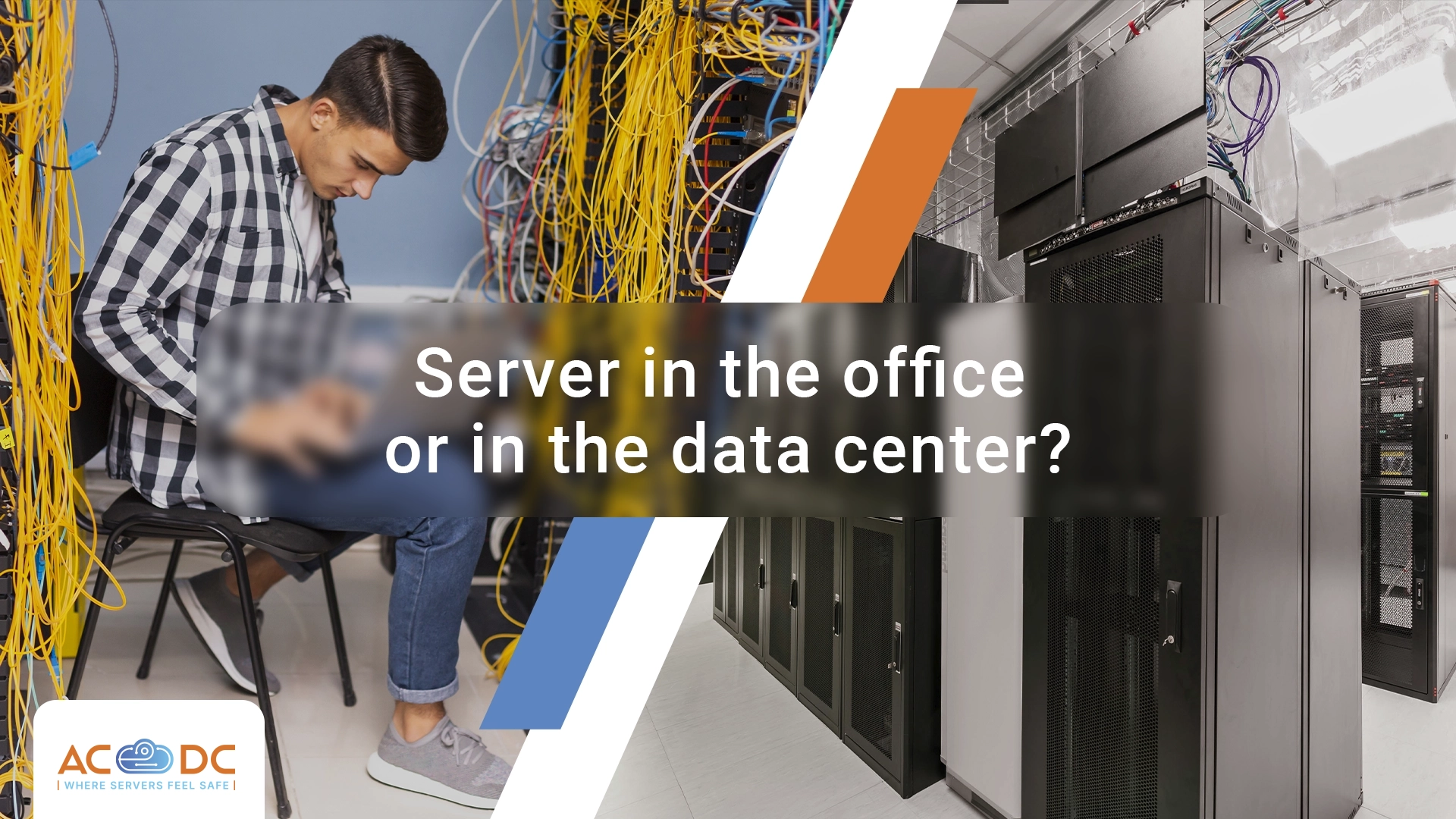
- Compare with the real office server cost: You can fairly assess the colocation price only if you keep in mind the real cost of an office server. This option may seem cheaper, but costs are spread out and often not evaluated properly: electricity for the server, premises air conditioning, physical security, maintenance, periodic component replacement, IT team time for infrastructure tasks, and the cost of downtime during an incident.
If you correctly account for all of the above, colocation in a data center is rarely the more expensive option. It is a more transparent alternative with clear and predictable costs.
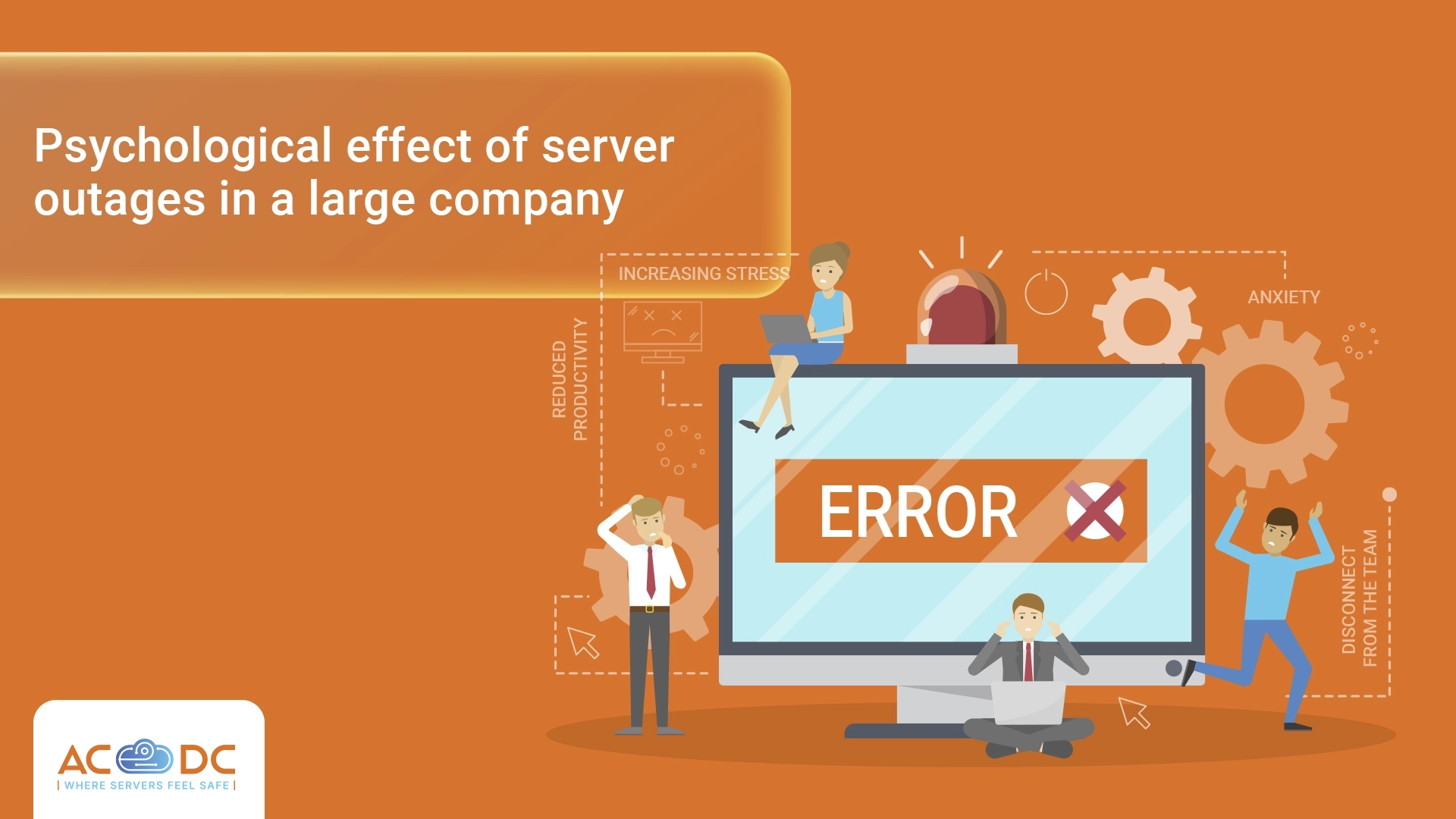
How to calculate losses from server downtime?
The most common reasons for server downtime in the office
The hidden benefits of having your equipment in a data center
How to get a clear and transparent colocation offer
Prepare clear information in advance to include in your inquiry:
- list of equipment with models and U sizes
- approximate power consumption for each device according to the manufacturer's specifications
- required network speed and connectivity
- growth and scaling plans for the next 1–2 years
- specific requirements for rack depth, weight, cabling, etc.
The more precise the information, the more accurate the offer from the provider will be.
And if you intend to move your equipment to a data center, you can contact the AbsCloud Data Center team today. We offer flexible colocation options (shared racks for small businesses and full racks with various configurations for specific needs).
Свържете се с нас
Интересувате се от колокация на сървъри или други услуги? Свържете се с екипа ни още сега.

 7 October, 2026
 30 September, 2026
 23 September, 2026
 16 September, 2026
 9 September, 2026
 27 August, 2026
 18 August, 2026
 11 August, 2026
 4 August, 2026
 28 July, 2026
 21 July, 2026
 15 July, 2026
 7 July, 2026
 30 June, 2026
 21 June, 2026
 16 June, 2026
 9 June, 2026
 2 June, 2026
 27 May, 2026
 19 May, 2026
 12 May, 2026
 6 May, 2026
 21 April, 2026
 15 April, 2026
 8 April, 2026
 1 April, 2026
 24 March, 2026
 18 March, 2026
 11 March, 2026
 4 March, 2026
 26 February, 2026
 19 February, 2026
 5 February, 2026
 3 February, 2026
 27 January, 2026
 20 January, 2026
 13 January, 2026
 8 January, 2026
 4 January, 2026
 22 December, 2025
 17 December, 2025
 10 December, 2025
 4 December, 2025
 26 November, 2025
 17 November, 2025
 11 November, 2025
 4 November, 2025
 27 October, 2025
 20 October, 2025
 8 October, 2025
 5 October, 2025
 30 September, 2025
 19 September, 2025
 15 September, 2025
 4 September, 2025
 29 August, 2025
 23 August, 2025
 16 August, 2025
 12 August, 2025
 6 August, 2025
 28 July, 2025
 22 July, 2025
 15 July, 2025
 11 July, 2025
 3 July, 2025
 19 June, 2025
 3 June, 2025
 27 May, 2025
 21 May, 2025
 14 May, 2025
 7 May, 2025
 29 April, 2025
 23 April, 2025
 14 April, 2025
 8 April, 2025
 27 March, 2025

 0882 355 203