






From October 5th to 7th, 2026, the first edition of the CONNEXUS 2026 – Black Sea Technology Forum was held at the "Cherno More" hotel in Varna. The event, organized by ICT Cluster Varna, BSMEPA, Varna Municipality, Brain++ AI Factory, and ARC Fund, brought together over 500 participants and more than 60 speakers focusing on artificial intelligence, cybersecurity, marine technologies, and smart cities.
In the "Cybersecurity" panel, Eng. Alexander Minchev, manager and founder of Abilyx Soft and AbsCloud Data Center (AC☁DC), and Ivaylo Konev, "Sales Support Engineer" at Neterra, presented a joint lecture on The Physical Aspects of Data Security. The talk drew managers’ and business owners’ attention to an aspect of security that often gets left out of IT strategy agendas.
The Cloud Has a Physical Address, Too
There is a widespread belief that moving systems and data entirely "to the cloud" solves all security problems. However, the cloud is an infrastructure located at a specific site. Business data is stored on physical servers, which rely on power, cooling, fiber connections, and the people who have access to them.
The first question the speakers posed to the audience was whether everyone knows where their business information is physically located. The answer determines which legislation applies, how quickly you can respond to incidents, and who actually controls the equipment.
Scenarios Every Business Should Consider
What happens in the event of unauthorized physical access to the server room or data center?
Firewalls, encryption, and antivirus solutions protect against network attacks. However, a person gaining physical entry to the server room can switch off equipment, remove disks, or connect external devices. Access control, visitor identification, video surveillance, and a tracked history of visits are just as important to cybersecurity as software protection.
See also: Why physical protection is so important for your data
What happens when the internet connection goes down?
If all systems are in the cloud and the office or the provider itself loses connectivity, business stops, even if the data is perfectly intact. That’s why resilience depends on having backup routes and working with more than one connectivity provider.
What happens when the power supply fails?
Power outages are among the most recognized risks for server infrastructure. Office servers rarely have more than one UPS, which in reality buys only a few precious minutes for other processes to activate and is not a comprehensive solution. Professional infrastructure relies on independent power feeds, redundant UPS systems, and generators to maintain service delivery without interruption.
See also: What happens in the data center when the power goes out?
Why You Shouldn’t Depend on a Single Location
One of the key messages of the lecture focused on risk concentration. When all infrastructure, data, and backups depend on a single provider, location, or region, a single incident can affect everything at once.
The same goes for backups. A backup stored in the same building or even the same room as the main systems does not solve the problem. Fires, floods, theft, or ransomware attacks hit both the original and the backup equally. Real protection and prevention require:
- backups at a geographically remote location;
- separation of primary and backup infrastructure;
- regular testing of restoration procedures, not just backup creation;
- a clear plan specifying who does what and within what timeframe in the event of an incident.
See also: How to test your Disaster Recovery plan and why many companies skip it
The AC☁DC Response
AbsCloud Data Center (AC☁DC) is a TIER III neutral data center in Varna, providing businesses with:
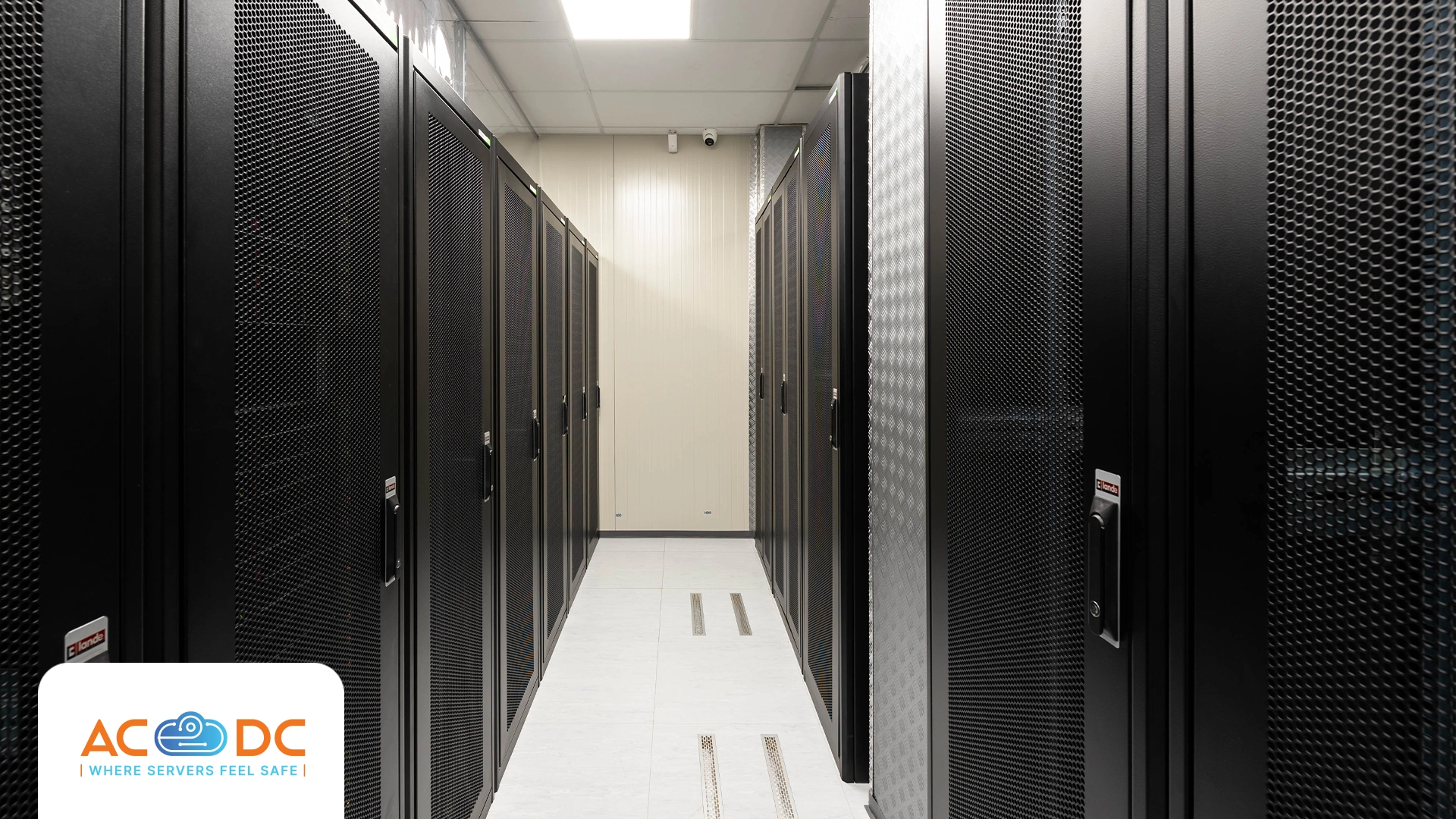
- Physical security: controlled access for only pre-authorized individuals, 24/7 video surveillance, fire alarm and fire suppression systems.
- Power: two independent power feeds, A and B, each backed up by its own UPS and generator groups.
- Cooling: redundant climate systems maintain an optimal environment for equipment.
- Connectivity: connections to more than 100 Bulgarian and international providers, 100 Gbps backbone, and presence at Varna IX and NEtIx.
- Geographical distribution: Disaster Recovery point in Varna for companies whose primary infrastructure is located in another city or data center.
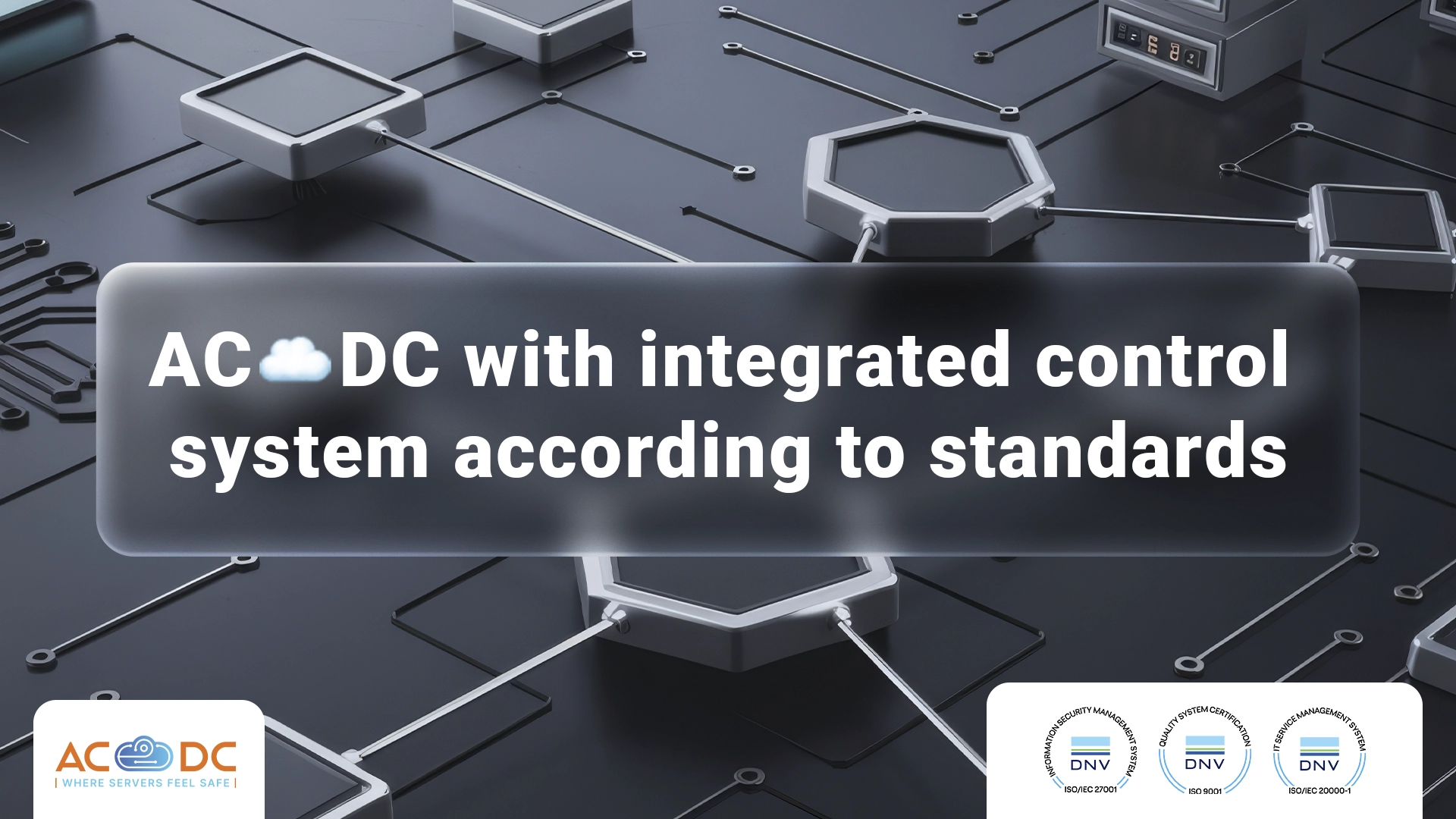
- Certified processes: ISO/IEC 27001:2022, ISO/IEC 20000-1:2018, and ISO 9001:2015.
For businesses in Eastern Bulgaria and across the entire country, this means an opportunity to distribute their infrastructure between different locations, keep their backups in a secure remote site, and know exactly where their data is and who has access to it at any moment.
Security Starts with the Physical Aspect
The participation of AC☁DC in CONNEXUS 2026 continues the topic we raised at the Cybersecurity and Data Protection Forum 2025: cybersecurity is a comprehensive system where software, people, processes, and physical infrastructure work together. Companies that plan their security only at the software and cloud service level leave unprotected the foundation everything else stands on.
If you would like to check how well your infrastructure is prepared for the scenarios discussed at the forum, visit our data center or contact the AC☁DC team. We’ll show you on site how physical security, redundant power, and connectivity work, and discuss which solution (colocation, Disaster Recovery, or other) best fits your business needs
Свържете се с нас
Интересувате се от колокация на сървъри или други услуги? Свържете се с екипа ни още сега.

 30 September, 2026
 23 September, 2026
 16 September, 2026
 9 September, 2026
 27 August, 2026
 18 August, 2026
 11 August, 2026
 4 August, 2026
 28 July, 2026
 21 July, 2026
 15 July, 2026
 7 July, 2026
 30 June, 2026
 21 June, 2026
 16 June, 2026
 9 June, 2026
 2 June, 2026
 27 May, 2026
 19 May, 2026
 12 May, 2026
 6 May, 2026
 21 April, 2026
 15 April, 2026
 8 April, 2026
 1 April, 2026
 24 March, 2026
 18 March, 2026
 11 March, 2026
 4 March, 2026
 26 February, 2026
 19 February, 2026
 5 February, 2026
 3 February, 2026
 27 January, 2026
 20 January, 2026
 13 January, 2026
 8 January, 2026
 4 January, 2026
 22 December, 2025
 17 December, 2025
 10 December, 2025
 4 December, 2025
 26 November, 2025
 17 November, 2025
 11 November, 2025
 4 November, 2025
 27 October, 2025
 20 October, 2025
 8 October, 2025
 5 October, 2025
 30 September, 2025
 19 September, 2025
 15 September, 2025
 4 September, 2025
 29 August, 2025
 23 August, 2025
 16 August, 2025
 12 August, 2025
 6 August, 2025
 28 July, 2025
 22 July, 2025
 15 July, 2025
 11 July, 2025
 3 July, 2025
 19 June, 2025
 3 June, 2025
 27 May, 2025
 21 May, 2025
 14 May, 2025
 7 May, 2025
 29 April, 2025
 23 April, 2025
 14 April, 2025
 8 April, 2025
 27 March, 2025

 0882 355 203